E-mail: marketing@hbhuamei.com
Steel structure buildings are widely used in industrial facilities, warehouses, workshops, and commercial projects due to their strength, flexibility, and fast construction speed. However, steel has high thermal conductivity, making insulation a critical factor for maintaining indoor comfort and reducing energy consumption.
This article explores the most effective thermal insulation solutions for steel structure buildings, helping you select the right materials and systems for optimal performance.
Unlike traditional concrete structures, steel buildings transfer heat quickly, which can lead to:
Rapid indoor temperature fluctuations
High cooling and heating costs
Condensation issues and moisture damage
Reduced occupant comfort
Proper thermal insulation helps to:
Improve energy efficiency
Maintain stable indoor temperatures
Prevent condensation and corrosion
Extend the lifespan of the building
Before choosing insulation materials, it is important to understand the unique challenges of steel buildings:
Steel conducts heat easily, requiring insulation materials with strong thermal resistance.
Temperature differences between indoor and outdoor environments can cause condensation, especially in humid regions.
Industrial steel buildings often require high fire resistance standards.
Roof and wall systems in steel structures are typically large, increasing insulation demand and cost considerations.
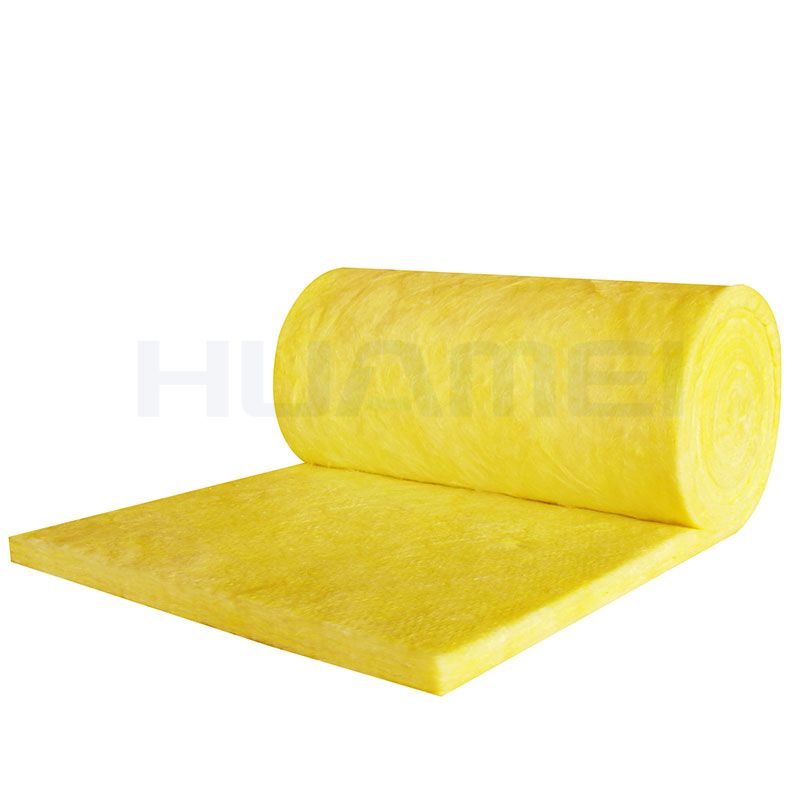
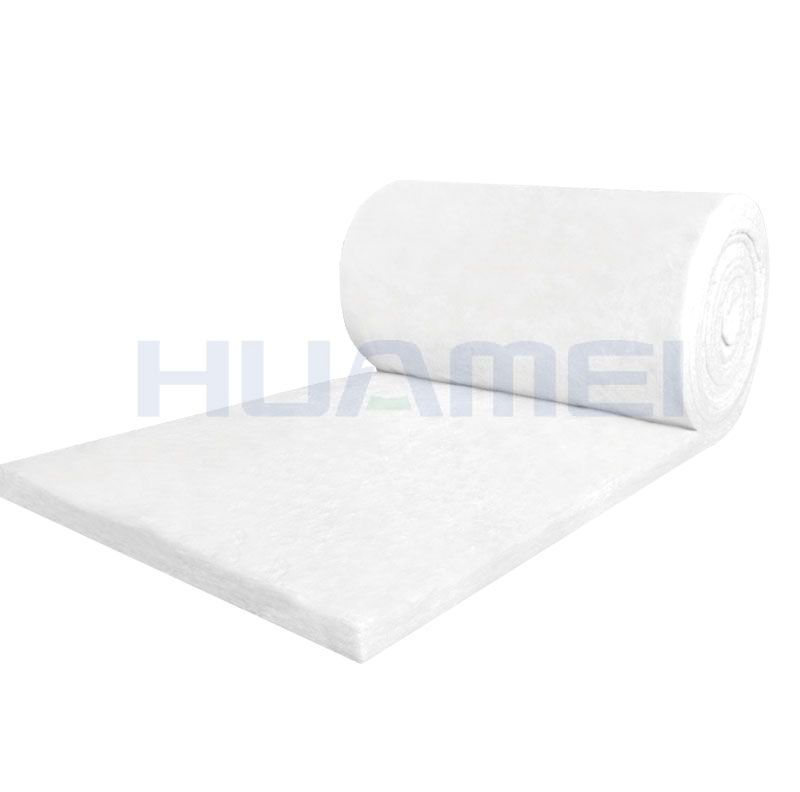
Key Features:
Excellent fire resistance (non-combustible)
High thermal insulation performance
Good sound absorption
Applications:
Industrial workshops
Warehouses
Steel roof and wall systems
Ideal for projects requiring high fire safety and durability.
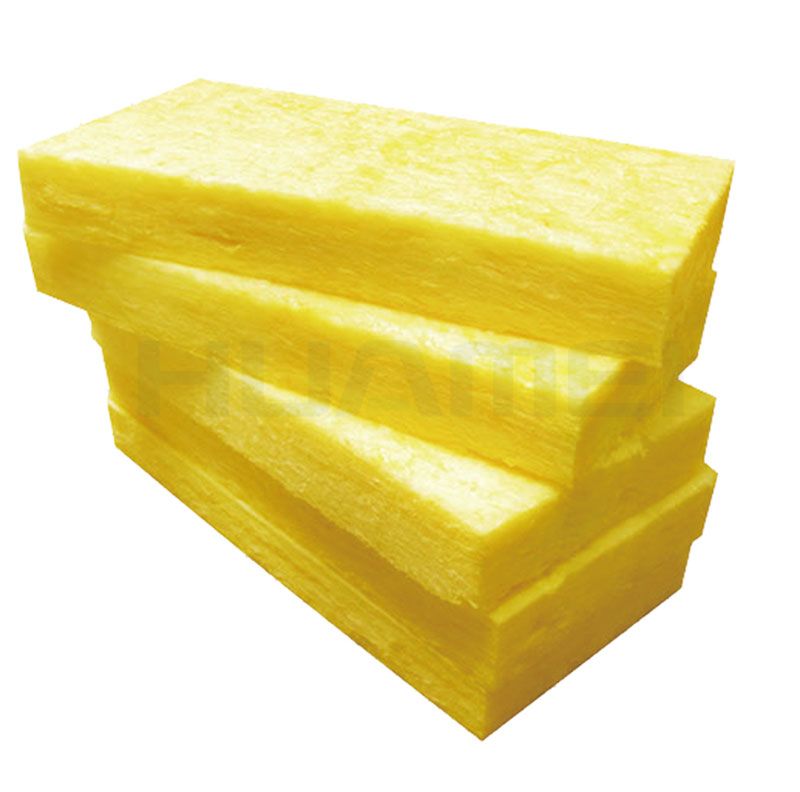
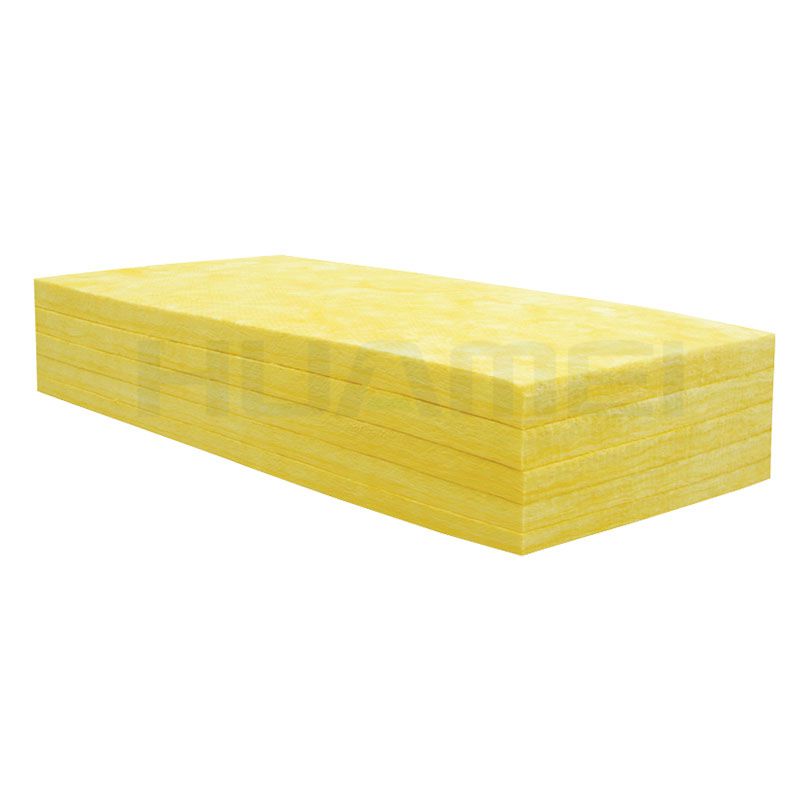
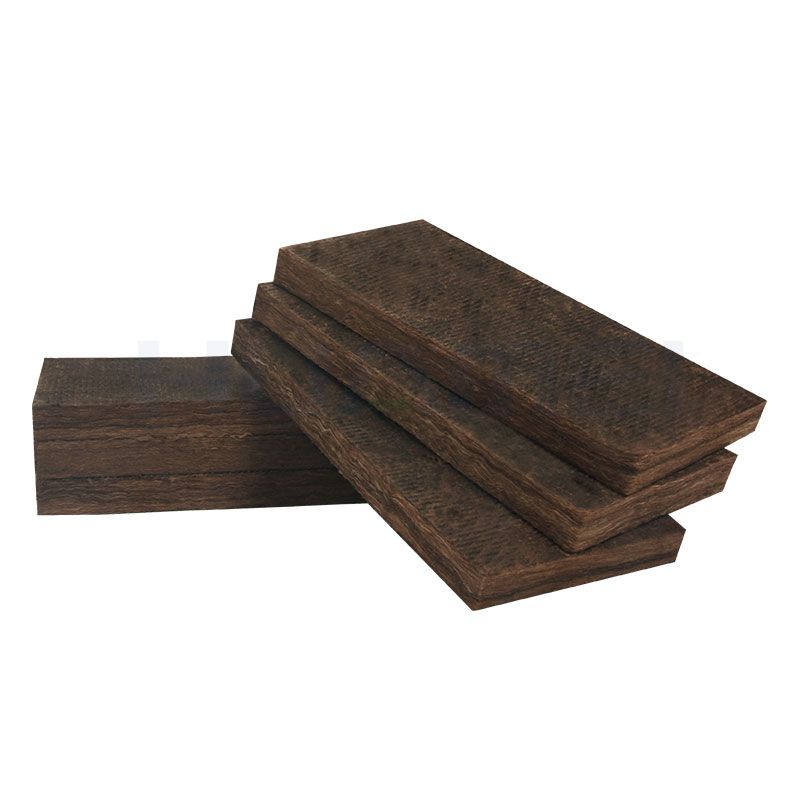
Key Features:
Lightweight and easy to install
Cost-effective solution
Good thermal and acoustic performance
Applications:
Metal roof systems
Light steel structures
Commercial buildings
Suitable for projects with budget constraints and moderate insulation needs.
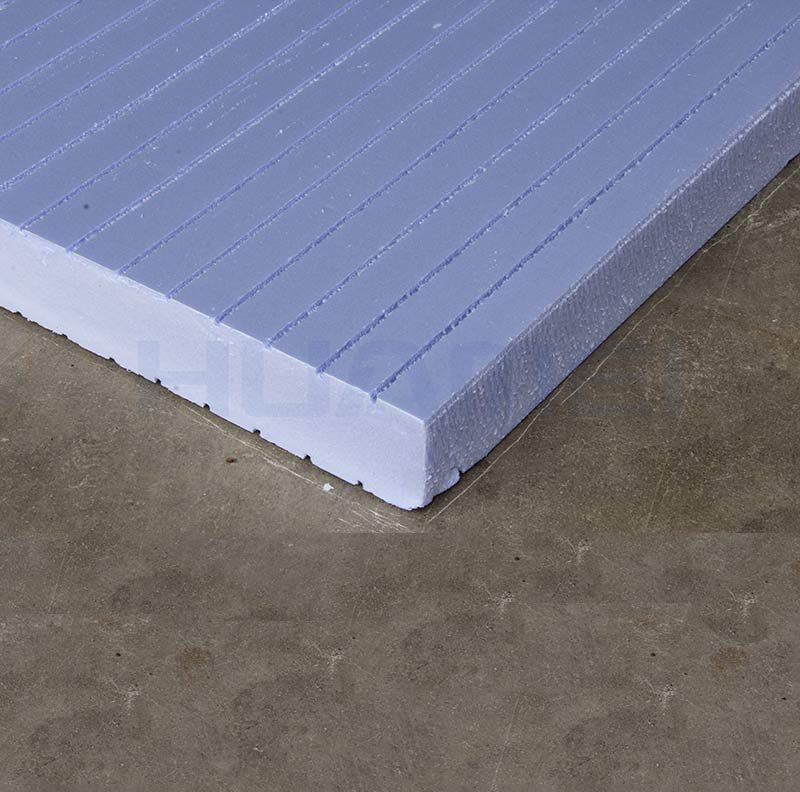
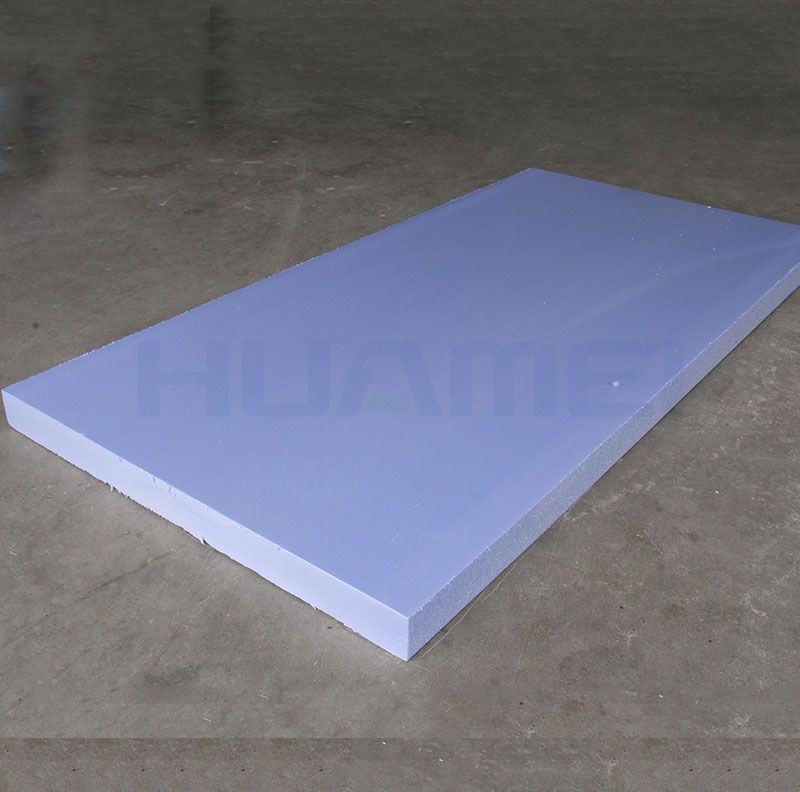
Key Features:
High compressive strength
Excellent moisture resistance
Stable long-term performance
Applications:
Flat roofs
Areas exposed to moisture
Insulated roof panels
Best for environments requiring waterproof and durable insulation.
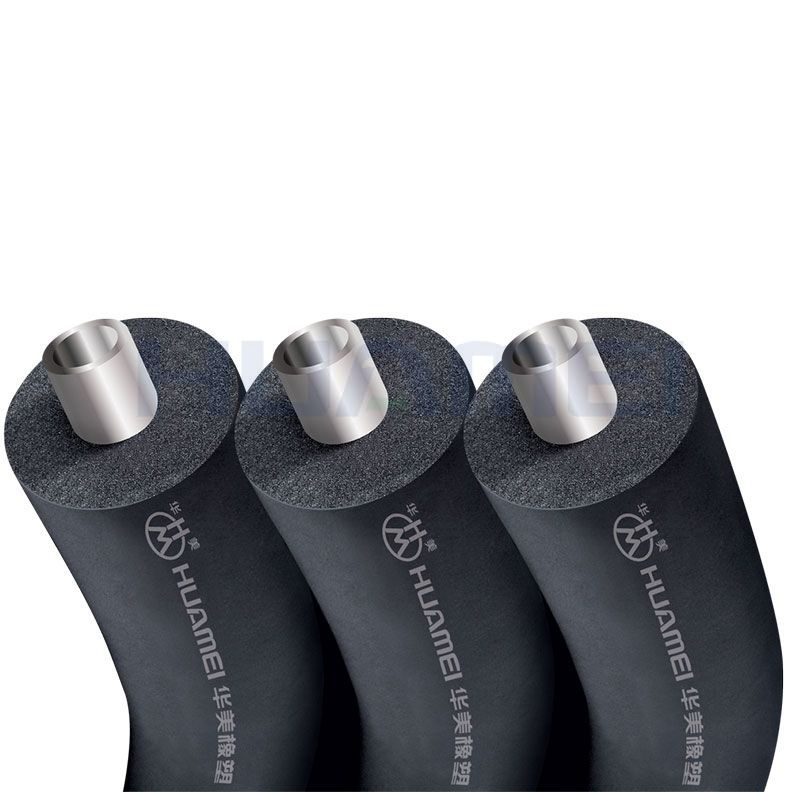
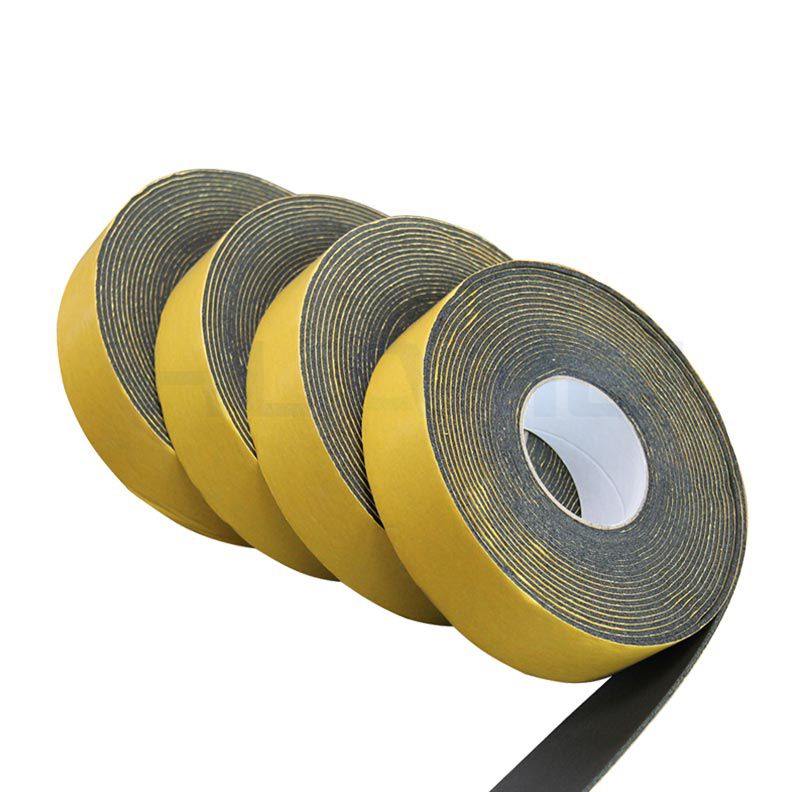
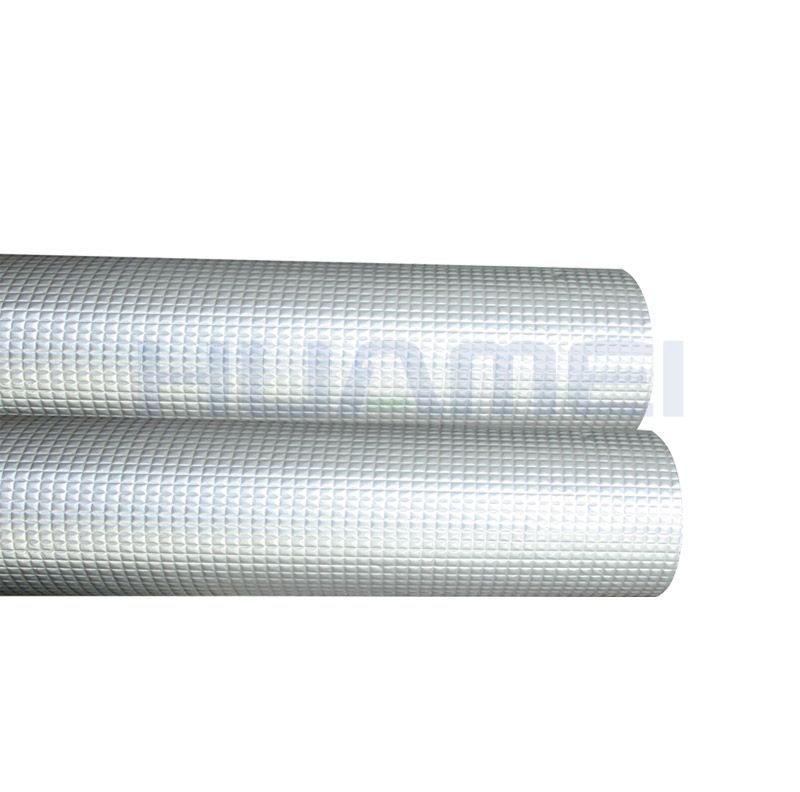
Key Features:
Flexible and easy installation
Strong anti-condensation performance
Closed-cell structure
Applications:
HVAC systems
Steel roof ducts and pipelines
Ideal for preventing condensation in temperature-sensitive systems.
Steel roofs are highly exposed to sunlight and temperature changes.
Recommended solutions:
Rock wool or glass wool layered systems
XPS boards for flat roofs
Combined insulation with vapor barriers
Wall insulation helps reduce heat transfer and improve indoor comfort.
Recommended solutions:
Sandwich panels (steel + insulation core)
External insulation systems
Multi-layer insulation structures
Combining different materials can achieve better performance.
Examples:
Rock wool + vapor barrier
Glass wool + reflective foil
XPS + waterproof membrane
Hybrid systems are widely used in large-scale industrial projects.
Warehouse: focus on cost efficiency and basic thermal performance
Factory: prioritize fire resistance and durability
Commercial building: balance comfort, energy efficiency, and cost
Hot climates: choose materials with strong heat resistance
Cold climates: prioritize high R-value insulation
Humid areas: select moisture-resistant materials
Consider both initial investment and long-term savings
High-quality insulation reduces energy bills over time
Ignoring condensation control in metal roofs
Using low-quality insulation materials
Overlooking fire safety requirements
Choosing insulation without considering climate conditions
Lack of proper installation and sealing
Always include vapor barriers in steel structure insulation systems
Use high-density insulation for industrial applications
Combine materials for multi-functional performance
Ensure proper installation to avoid thermal bridges
Work with experienced insulation suppliers for project-specific solutions
What is the best insulation for steel structure buildings?
Rock wool is often the best choice due to its fire resistance and durability, while glass wool and XPS can be used depending on project requirements.
How do you prevent condensation in steel buildings?
Use closed-cell insulation materials, vapor barriers, and proper ventilation to control moisture and condensation.
Is insulation necessary for warehouses?
Yes, insulation improves energy efficiency, protects stored goods, and enhances indoor working conditions.
Can insulation reduce energy costs in steel buildings?
Yes, proper insulation can significantly reduce heating and cooling costs, especially in large industrial structures.
What insulation is best for steel roofs?
Rock wool, glass wool, and XPS boards are commonly used depending on structural design and environmental conditions.
If you are planning a steel structure building project and need reliable insulation solutions, we can help you choose the most suitable materials and systems.
We offer a full range of insulation products, including rock wool, glass wool, XPS boards, and rubber foam, designed for industrial and commercial applications.
Contact us today to get:
Professional insulation design support
Customized solutions for steel structure buildings
Competitive factory pricing
Fast global delivery
Request a quote now and improve the performance, efficiency, and durability of your steel structure building with high-quality insulation solutions.
Contact Us
Insulation solutions LIST
Colorful Rubber Foam ApplicationRubber Foam InsulationWhere to Buy XPS Panels?Rubber foam tubeGlass Wool Pipe for SaleXPS Insulation for Cold Storage FloorsHow To Choose The Right Rock Wool Insulation For Your ProjectGreen Foam Board InsulationRubber Foam ManufacturerInsulation Solutions:A Comprehensive Guide to InsulationXPS vs Rock Wool: Different Applications and UsesHow to Improve the Durability and Appearance of Colorful Rubber FoamCryogenic Rubber Foam SupplierHuamei Sound Insulation SolutionsSound Absorbing Foam: Enhancing Acoustics and Noise ControlHigh-temperature Insulation glass wool applianceThe Cheapest Insulated Shed – Affordable and High-Quality SolutionsGlass wool InsulationChina Rubber Foam Supplier - Why choose us?Huamei Class 0 Rubber FoamHow glass wool insulation worksRubber Foam RollsPerformance of Colorful Rubber Foam under High and Low TemperaturesHVAC InsulationHuamei Air Conditioning Energy Saving System SolutionPassive Solar Greenhouse vs Active Solar GreenhouseFoil-clad Glass Wool SuppliersHow to Choose Foil-clad Rubber Foam for Your ProjectGlass Wool SupplierThermal Insulation Solutions for Steel Structure BuildingsColorful Rubber Foam ProductsEPDM Rubber Foam ManufacturerCan EPDM Rubber Foam Be Customized?Passive Solar Greenhouse: How to Heat a Greenhouse Without ElectricityAcoustic Cotton Supplier: Why Huamei is the Ideal ChoiceHVAC Insulation Material Comparison: Choosing the Best Solution for Your SystemFormaldehyde Free Insulation ManufacturerClass 1 Rubber Foam manufacturerClass 1 Rubber Foam ApplicationHow to Prevent Condensation on Cold Water Pipes?Polystyrene roof InsulationBest Materials for Insulation: A Practical ComparisonSound Absorbing FoamGlass Wool PipeChoose the right rubber foam for youCopyright © Huamei Energy-saving Technology Group Co., Ltd. All Rights Reserved | Sitemap | Privacy Policy
Insulation solutions LIST: Insulation solutions LIST