E-mail: marketing@hbhuamei.com
The best materials for insulation depend on the application. Chilled-water pipes need condensation control, partitions may require acoustic performance, and floors need insulation that can handle the specified loads. Comparing insulation materials by installation location and operating conditions helps buyers choose a suitable product.
Rubber foam, glass wool, rock wool, and extruded polystyrene (XPS) are four options to consider. This guide compares their common uses and the main points to check before purchasing.
A project may need several insulation materials across its mechanical systems and building envelope. Selection should follow the installation location and required thermal resistance.
| Material | Applications to consider | Main selection points |
|---|---|---|
| Rubber foam | Chilled-water pipes, refrigeration lines, and mechanical equipment | Condensation control, flexibility, and sealed joints |
| Glass wool | Wall cavities, ceilings, and suitable duct applications | Thermal resistance, installation fit, and facing |
| Rock wool | Partitions, façades, and suitable roof systems | Fire classification, acoustic performance, and product grade |
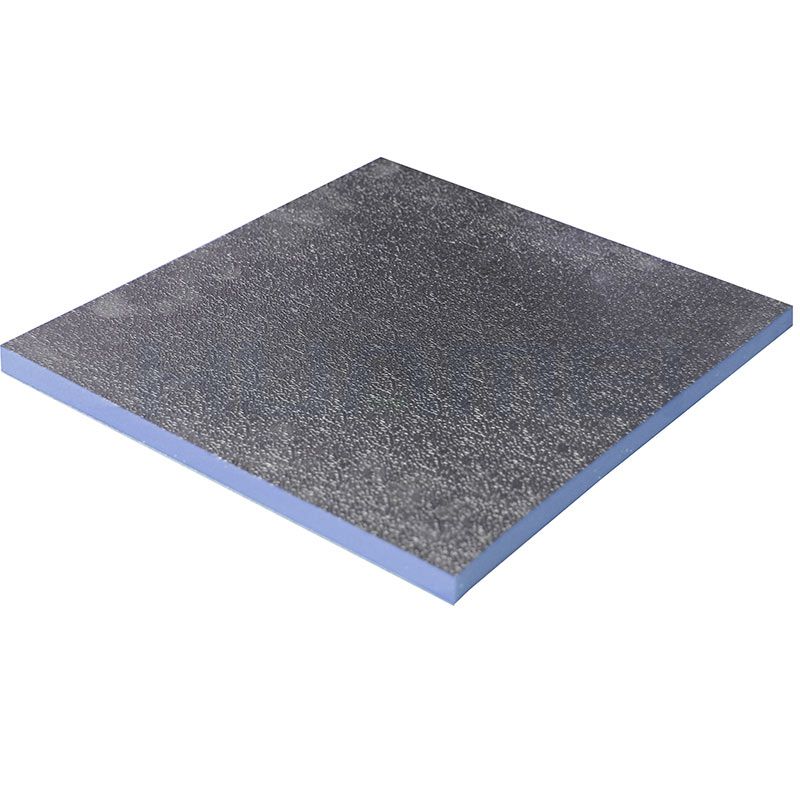
| XPS | Floors, below-grade walls, and suitable roof assemblies | Compressive performance, moisture exposure, and protection layers |
These applications provide a starting point. The exact product must meet the project specification.
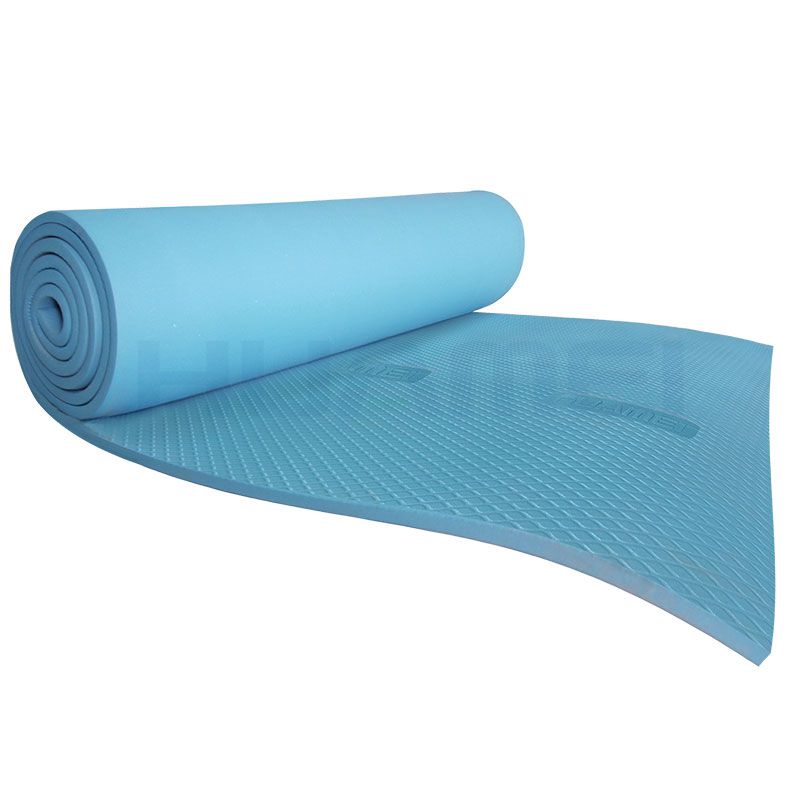
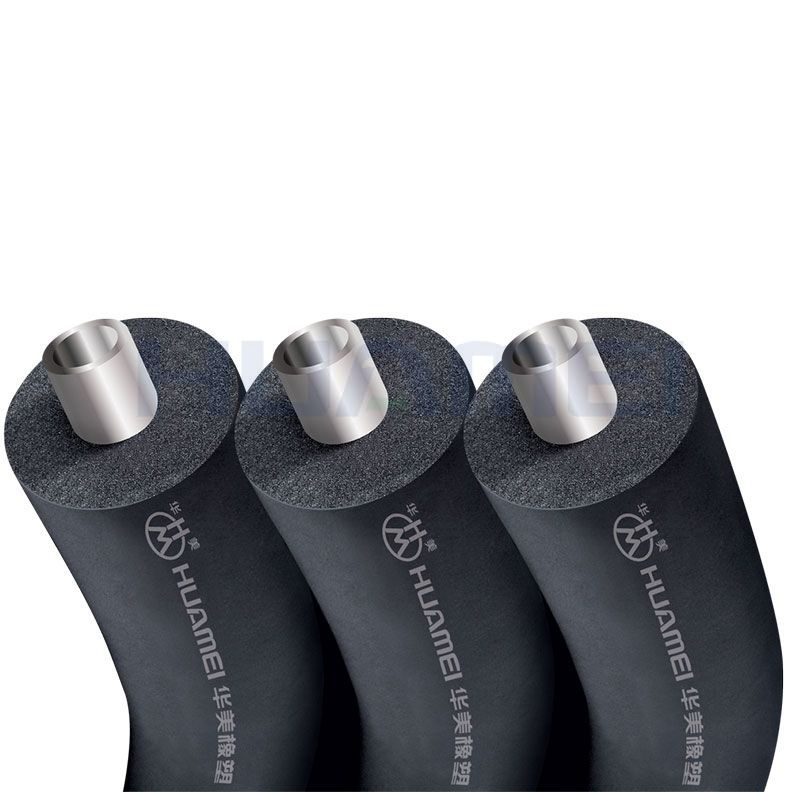
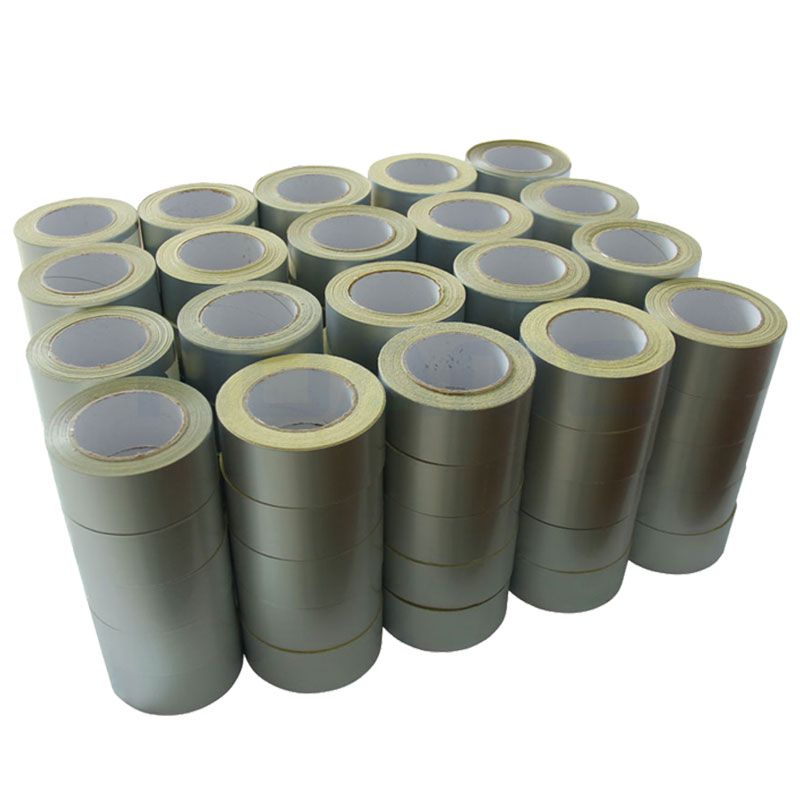
Rubber foam is worth considering when insulation needs to fit around pipes, fittings, and equipment. Tubes suit straight pipe runs, while sheets and rolls can be cut for larger or irregular surfaces.
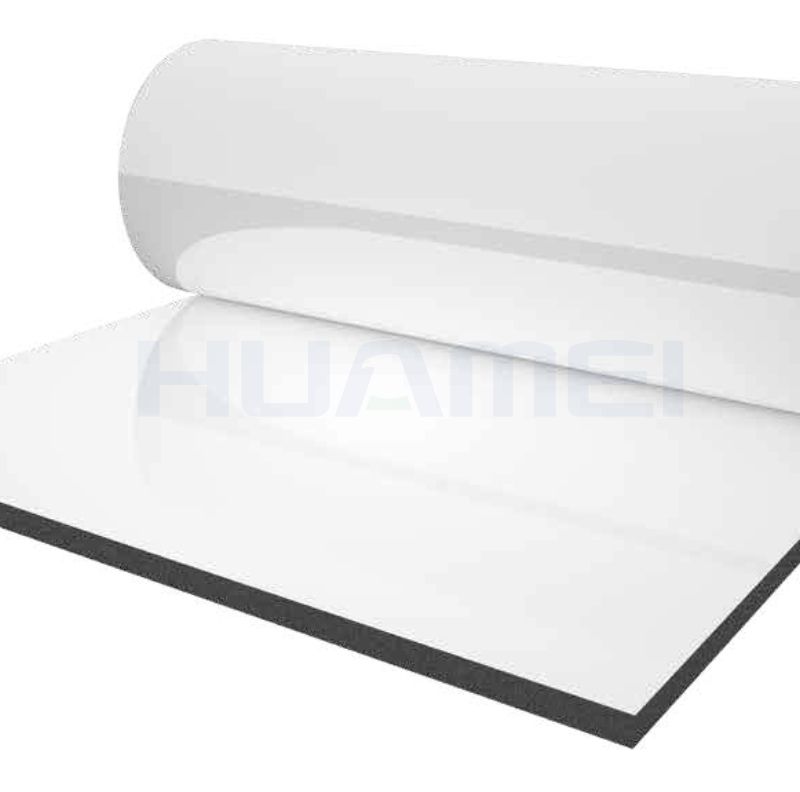
Huamei describes its NBR/PVC rubber foam insulation as a flexible, closed-cell material. Its range also includes EPDM, foil-clad, and self-adhesive products.
For chilled-water and refrigeration systems, thickness selection should account for pipe temperature, ambient temperature, and relative humidity. Sufficient thickness helps keep the outer insulation surface above the dew point under the design conditions.
Before ordering, confirm the operating temperature range, tube diameter, thickness, and fire-test documentation. Ask for installation details covering joints, valves, and pipe supports. These details help maintain insulation continuity throughout the system.
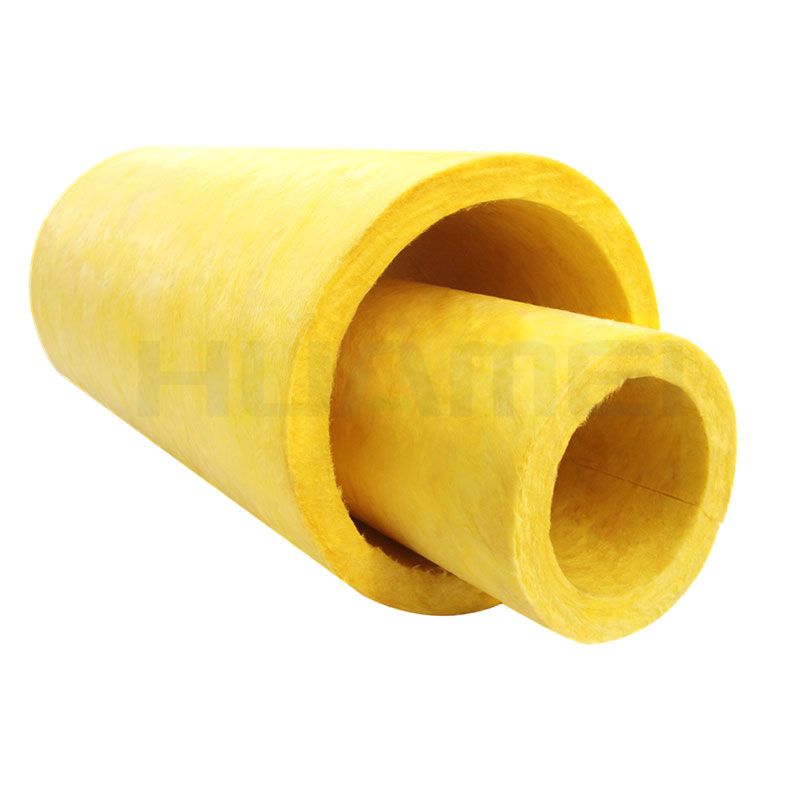
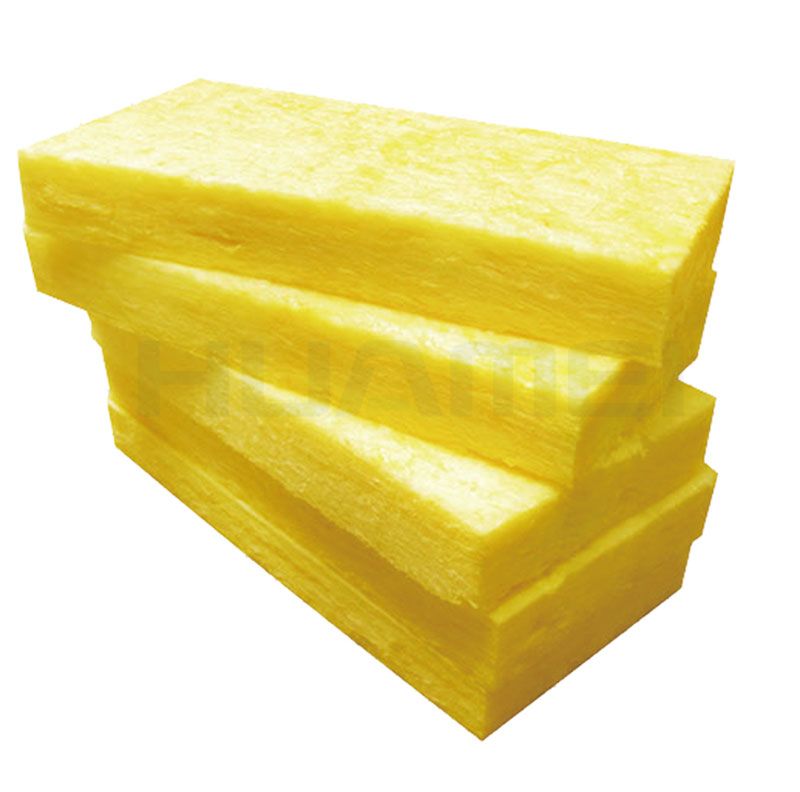
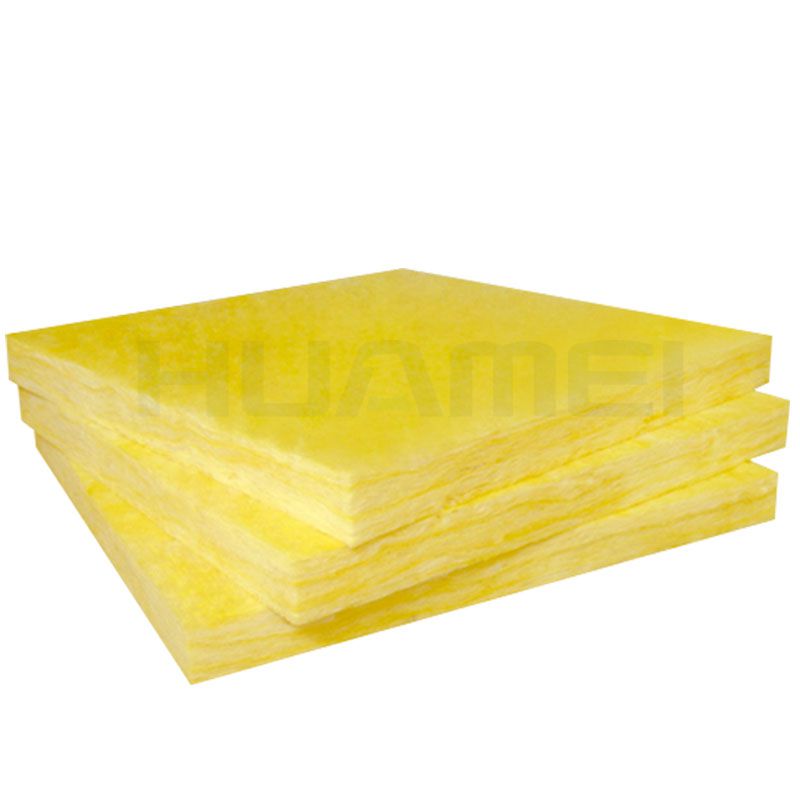
Glass wool is a fibrous material supplied in forms such as batts, blankets, boards, and pipe sections. Fiberglass batts and rolls are established blanket insulation options.
Buyers can investigate glass wool for wall cavities, ceilings, and suitable duct or roof applications. The product form should match the installation: a flexible blanket and a board are not interchangeable simply because both are glass wool.
Compare the declared thermal resistance at the proposed thickness. Check whether a facing is required, how joints will be treated, and how the material will be supported and protected.
For acoustic applications, request evidence relevant to the intended assembly. A product’s acoustic description alone does not establish the performance of a completed wall or ceiling.
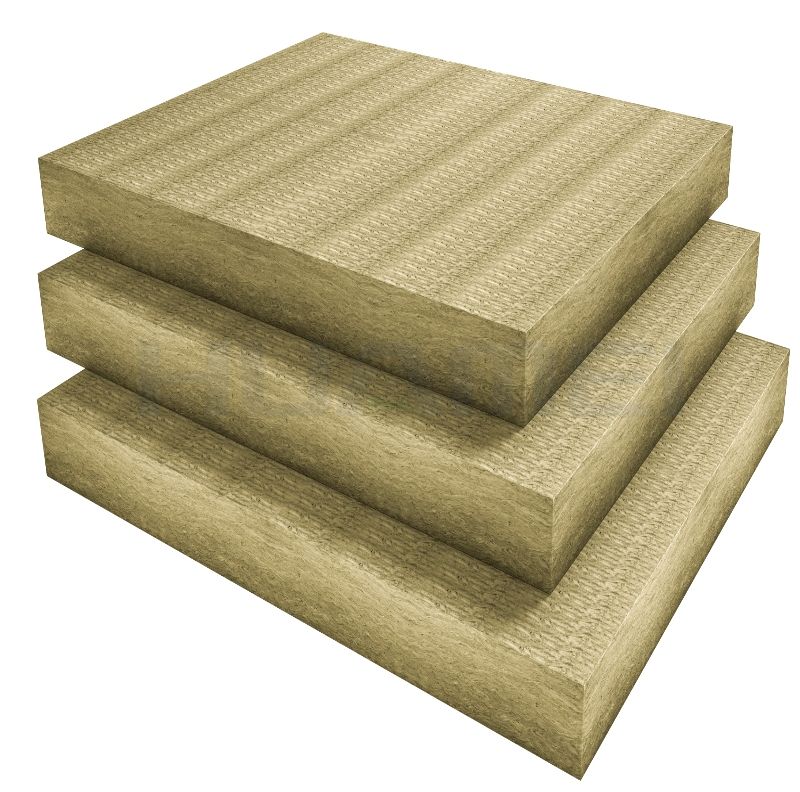
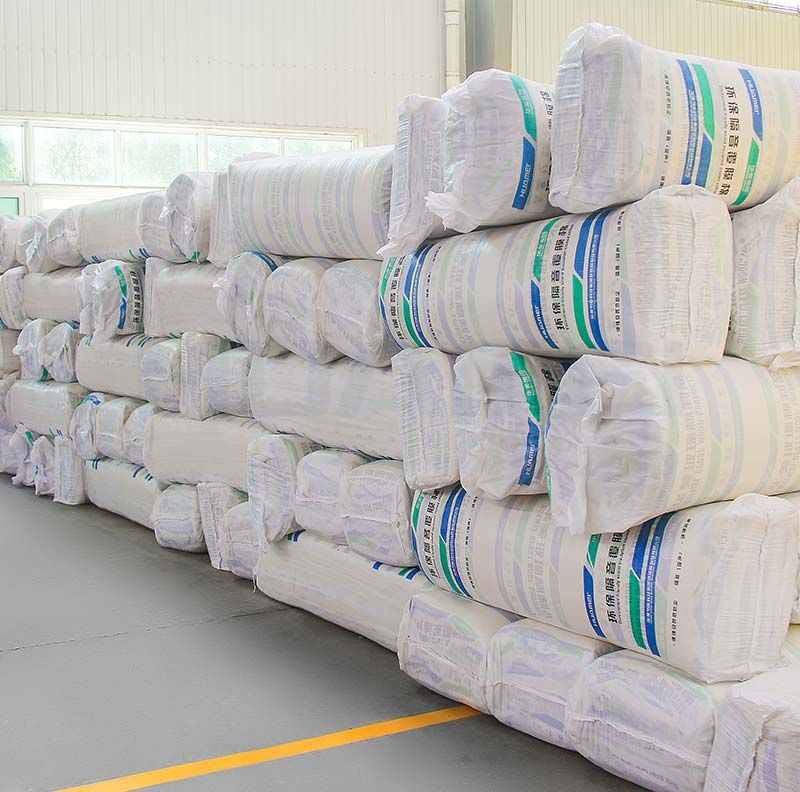
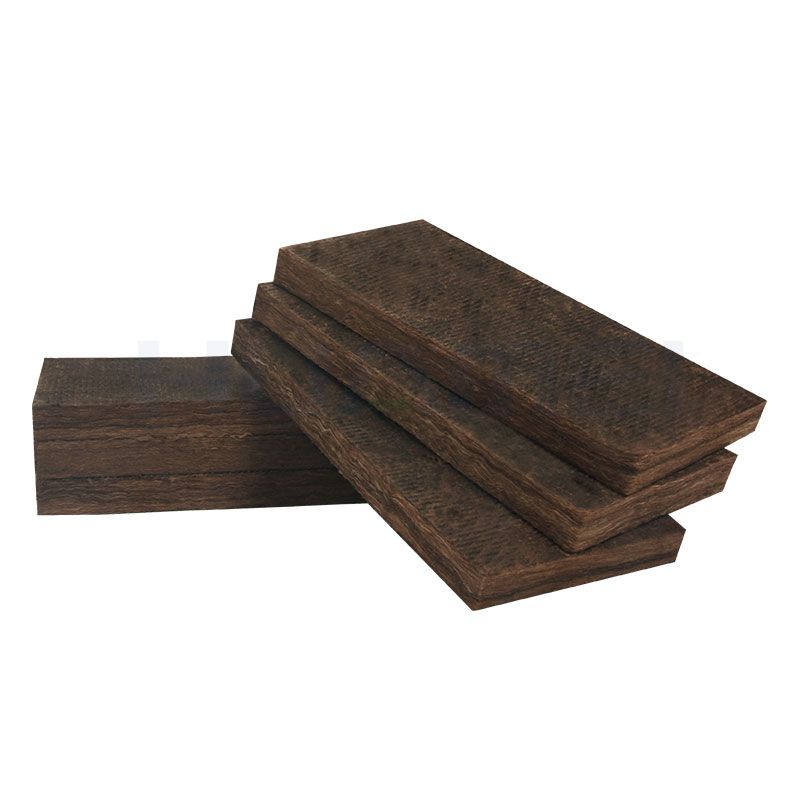
Rock wool is another mineral-fiber insulation option to investigate for partitions, façades, roofs, and suitable mechanical applications.
Product selection should follow the intended use. Huamei lists separate rock wool products for exterior walls, roofs, and curtain walls, reflecting the different requirements of these installations.
When fire performance matters, review the classification of the exact product, including any facing. For acoustic requirements, check the performance of the proposed construction assembly.
Density can help identify a product grade, but it should not replace performance data. Roof and façade applications may also require specific mechanical properties, fastening arrangements, and compatibility with other system components.
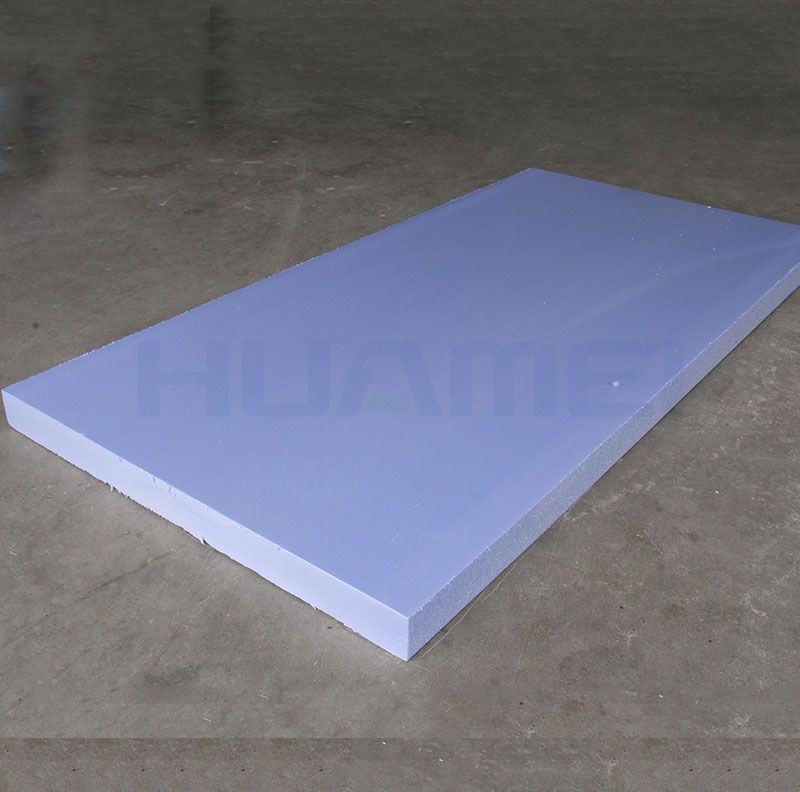
XPS is a rigid foam-board material to consider where the design requires board insulation. The U.S. Department of Energy identifies rigid XPS as suitable for certain continuous exterior insulation applications, including below-grade walls.
For floor and roof applications, confirm that the proposed grade meets the design’s loading requirements. Request compressive-performance data and, where relevant, information needed to assess deformation under sustained loads.
Also review moisture exposure, board joints, adjacent materials, and protection layers. Fire requirements should be assessed within the complete assembly rather than inferred from a general product description.
Start with the project conditions, then compare products on a consistent basis.
Define the application. Provide the installation location, operating temperatures, exposure conditions, dimensions, and required performance.
Compare technical data. Check thermal conductivity at comparable test temperatures and thermal resistance at the supplied thickness. Match reports to the quoted grade and facing.
Review installation needs. Include adhesives, tapes, supports, coverings, and fastening components where required. Clear installation guidance helps estimate labor and material quantities.
Compare the full cost. Consider freight, accessories, cutting waste, and installation work alongside the material price. Confirm lead times and packaging before placing an order.
The best materials for insulation are those that meet the requirements of each application. Rubber foam, glass wool, rock wool, and XPS should be compared using the actual operating conditions and construction details.
Huamei supplies all four material categories. Explore the product range and share your application, dimensions, quantities, and project specification to discuss suitable options.
Contact Us
Insulation solutions LIST
Glass wool InsulationEPDM Rubber Foam ManufacturerRubber Foam RollsGlass Wool SupplierHVAC InsulationClass 1 Rubber Foam ApplicationSound Absorbing Foam: Enhancing Acoustics and Noise ControlFoil-clad Glass Wool SuppliersHuamei Class 0 Rubber FoamPassive Solar Greenhouse: How to Heat a Greenhouse Without ElectricityHuamei Sound Insulation SolutionsHow to Choose Foil-clad Rubber Foam for Your ProjectSound Absorbing FoamPerformance of Colorful Rubber Foam under High and Low TemperaturesXPS vs Rock Wool: Different Applications and UsesHow glass wool insulation worksChina Rubber Foam Supplier - Why choose us?Top 10 Soundproofing Insulation Materials: Comparing Effectiveness and CostHow to Prevent Condensation on Cold Water Pipes?How to Choose Insulation for Roof SystemsPassive Solar Greenhouse vs Active Solar GreenhouseRubber foam tubeHow To Choose The Right Rock Wool Insulation For Your ProjectBest Materials for Insulation: A Practical ComparisonInsulation Solutions:A Comprehensive Guide to InsulationCan EPDM Rubber Foam Be Customized?Cryogenic Rubber Foam SupplierColorful Rubber Foam ApplicationGlass Wool Pipe for SaleClass 1 Rubber Foam manufacturerHuamei Air Conditioning Energy Saving System SolutionHigh-temperature Insulation glass wool applianceXPS Insulation for Cold Storage FloorsRubber Foam InsulationColorful Rubber Foam vs EVA Foam: Material and Performance ComparisonHow to Improve the Durability and Appearance of Colorful Rubber FoamChoose the right rubber foam for youRubber Foam ManufacturerHVAC Insulation Material Comparison: Choosing the Best Solution for Your SystemGlass Wool PipePolystyrene roof InsulationColorful Rubber Foam ProductsWhere to Buy XPS Panels?Does Cryogenic Rubber Foam Resist Condensation and Moisture?Acoustic Cotton Supplier: Why Huamei is the Ideal ChoiceCopyright © Huamei Energy-saving Technology Group Co., Ltd. All Rights Reserved | Sitemap | Privacy Policy
Insulation solutions LIST: Insulation solutions LIST