E-mail: marketing@hbhuamei.com
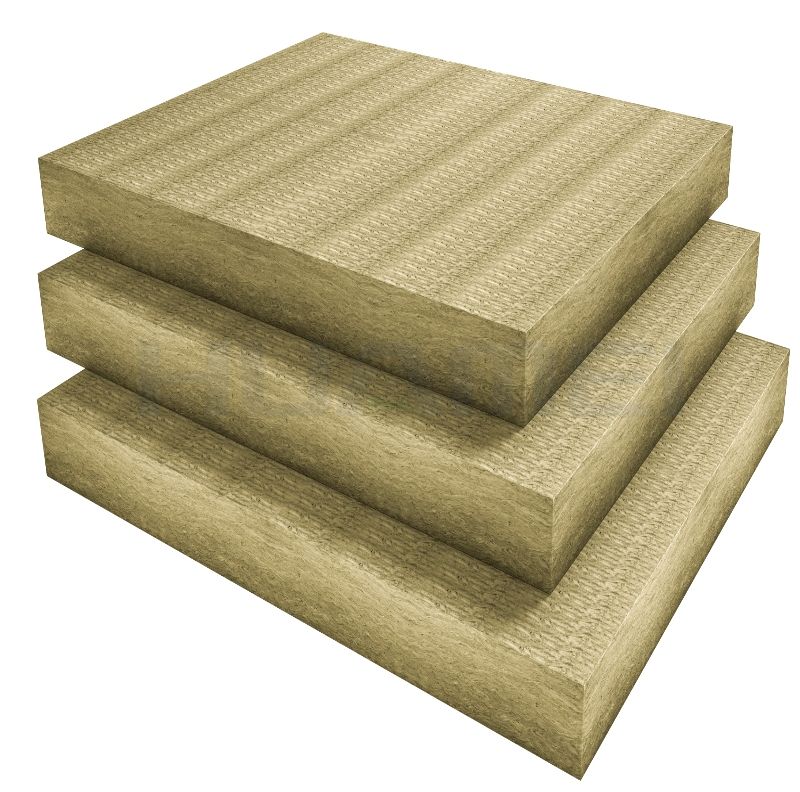
Choosing the right rock wool insulation is a critical step in ensuring thermal efficiency, fire safety, acoustic performance, and long-term durability for any construction or industrial project. With different densities, thicknesses, and application-specific requirements, understanding how to select the appropriate rock wool insulation can significantly improve project outcomes while avoiding unnecessary costs.
This buying guide explains how to choose rock wool insulation based on density and thickness, provides specification recommendations for different applications, highlights common purchasing mistakes, and offers a practical checklist for engineering and procurement teams.
Rock wool insulation is not a one-size-fits-all material. Selecting the wrong density or thickness may lead to insufficient thermal performance, structural issues, or non-compliance with fire and building regulations. A well-informed selection process ensures that rock wool insulation performs as designed throughout the entire lifecycle of the project.
Density is one of the most important parameters when you choose rock wool insulation. It directly affects mechanical strength, fire performance, and acoustic absorption.
Low-density rock wool insulation is lightweight and flexible. It is typically used in applications where load-bearing performance is not required.
Common applications include:
• Cavity walls and partitions
• Suspended ceilings
• Lightweight steel structures
Medium-density rock wool insulation offers a balance between strength and insulation performance. It is widely used in general construction projects.
Common applications include:
• Exterior wall insulation systems
• Pitched roofs and metal roofs
• HVAC duct insulation
High-density rock wool insulation provides excellent compressive strength and dimensional stability. It is designed for demanding applications where durability and impact resistance are critical.
Common applications include:
• Flat roofs
• Curtain wall systems
• Industrial equipment and high-temperature insulation
When using a rock wool density thickness guide, higher density usually correlates with improved mechanical performance, but it should always be matched to the actual application requirements.
Thickness selection is primarily driven by thermal performance targets, fire resistance requirements, and local building energy regulations.
Thicker rock wool insulation reduces heat transfer more effectively. Projects aiming for higher energy efficiency standards typically require increased insulation thickness to achieve lower U-values.
In fire-rated assemblies, the thickness of rock wool insulation plays a key role in achieving required fire resistance durations. Always verify thickness requirements against applicable fire test standards.
In renovation projects or confined spaces, thickness may be limited by structural conditions. In such cases, selecting the appropriate density becomes even more important to maintain performance within limited space.
Different applications require different combinations of density and thickness. Below is a general rock wool density thickness guide for reference purposes.
Recommended density: Medium to high
Typical thickness: 50–100 mm
Key focus: Thermal insulation, fire safety, weather resistance
Recommended density: Medium for pitched roofs, high for flat roofs
Typical thickness: 80–150 mm
Key focus: Thermal performance, compressive strength
Recommended density: Low to medium
Typical thickness: 25–50 mm
Key focus: Thermal control, condensation prevention, noise reduction
Recommended density: High
Typical thickness: Application-specific
Key focus: High-temperature resistance, durability, safety
Even experienced buyers can make avoidable mistakes when selecting rock wool insulation.
Choosing rock wool insulation solely based on price often results in underperforming materials that fail to meet project specifications or regulatory requirements.
Incorrect density selection may lead to deformation, reduced fire performance, or installation difficulties, especially in vertical or load-bearing applications.
Rock wool insulation must comply with relevant international or local standards. Failure to verify certifications can create compliance risks during inspections.
Different areas of the same project may require different rock wool insulation grades. Using a single specification throughout can compromise performance.
Before finalizing your purchase, use the following checklist to guide your selection process:
• Confirm application type and installation method
• Define required density range
• Determine minimum insulation thickness
• Verify fire rating and thermal performance targets
• Check compliance with applicable standards
• Assess environmental and durability requirements
• Confirm product availability, packaging, and delivery
Understanding how to choose rock wool insulation is essential for achieving optimal performance, safety, and cost efficiency. By using a structured rock wool density thickness guide and aligning specifications with actual application requirements, project stakeholders can make informed decisions and reduce long-term risks.
For detailed product specifications, density options, and technical support, please refer to our Rock Wool insulation product page or contact our technical team for project-specific recommendations.
Contact Us
Insulation solutions LIST
Glass Wool PipeRubber Foam InsulationHVAC InsulationRubber foam tubeHow To Choose The Right Rock Wool Insulation For Your ProjectHow to Choose Insulation for Roof SystemsPassive Solar Greenhouse: How to Heat a Greenhouse Without ElectricityHigh-temperature Insulation glass wool applianceGlass Wool SupplierPerformance of Colorful Rubber Foam under High and Low TemperaturesGlass Wool Pipe for SaleSound Absorbing FoamChina Rubber Foam Supplier - Why choose us?Acoustic Cotton Supplier: Why Huamei is the Ideal ChoiceColorful Rubber Foam ApplicationThermal Insulation Solutions for Steel Structure BuildingsColorful Rubber Foam ProductsThe Cheapest Insulated Shed – Affordable and High-Quality SolutionsEPDM Rubber Foam ManufacturerCan EPDM Rubber Foam Be Customized?Sound Absorbing Foam: Enhancing Acoustics and Noise ControlConcrete Roof Thermal Insulation BoardsChoose the right rubber foam for youRubber Foam RollsDoes Cryogenic Rubber Foam Resist Condensation and Moisture?Colorful Rubber Foam vs EVA Foam: Material and Performance ComparisonGlass wool InsulationTop 10 Soundproofing Insulation Materials: Comparing Effectiveness and CostInsulation Solutions:A Comprehensive Guide to InsulationFoil-clad Glass Wool SuppliersRubber Foam ManufacturerClass 1 Rubber Foam ApplicationPolystyrene roof InsulationHVAC Insulation Material Comparison: Choosing the Best Solution for Your SystemCryogenic Rubber Foam SupplierGreen Foam Board InsulationClass 1 Rubber Foam manufacturerPassive Solar Greenhouse vs Active Solar GreenhouseHuamei Air Conditioning Energy Saving System SolutionHuamei Class 0 Rubber FoamFormaldehyde Free Insulation ManufacturerWhere to Buy XPS Panels?Huamei Sound Insulation SolutionsHow to Improve the Durability and Appearance of Colorful Rubber FoamCopyright © Huamei Energy-saving Technology Group Co., Ltd. All Rights Reserved | Sitemap | Privacy Policy
Insulation solutions LIST: Insulation solutions LIST