E-mail: marketing@hbhuamei.com
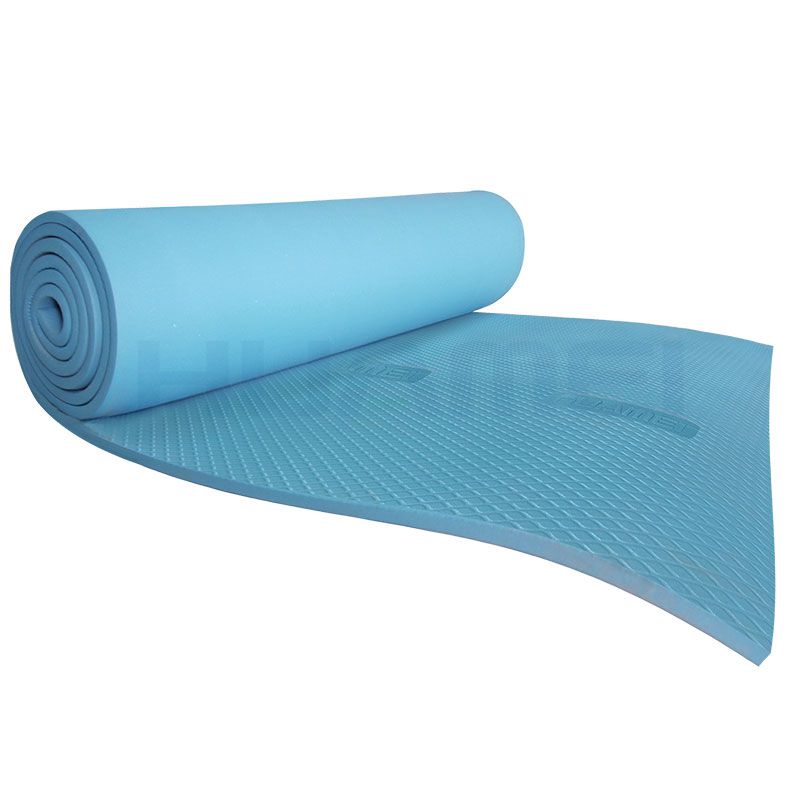
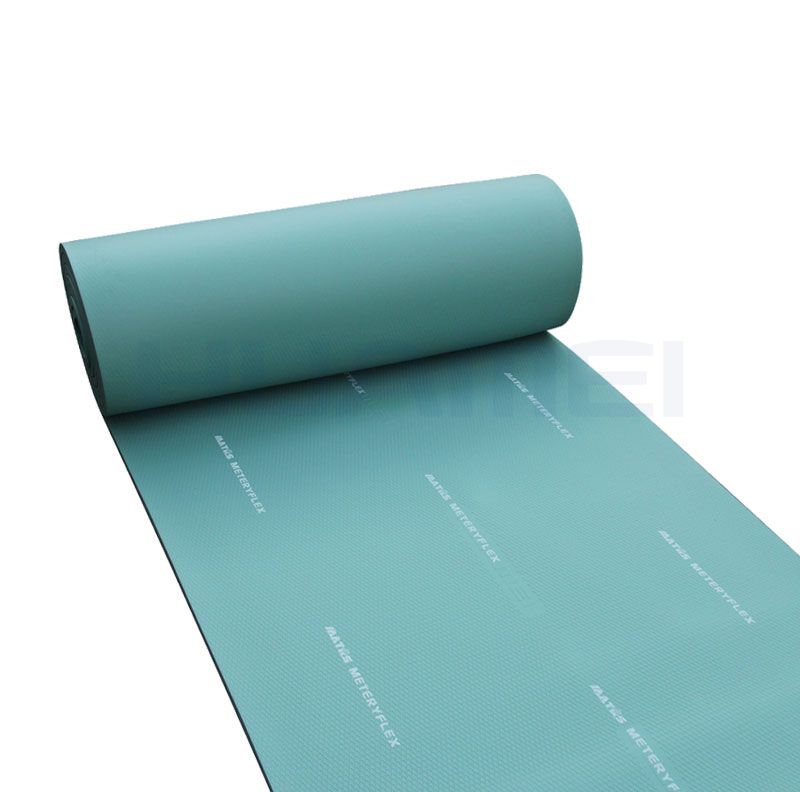
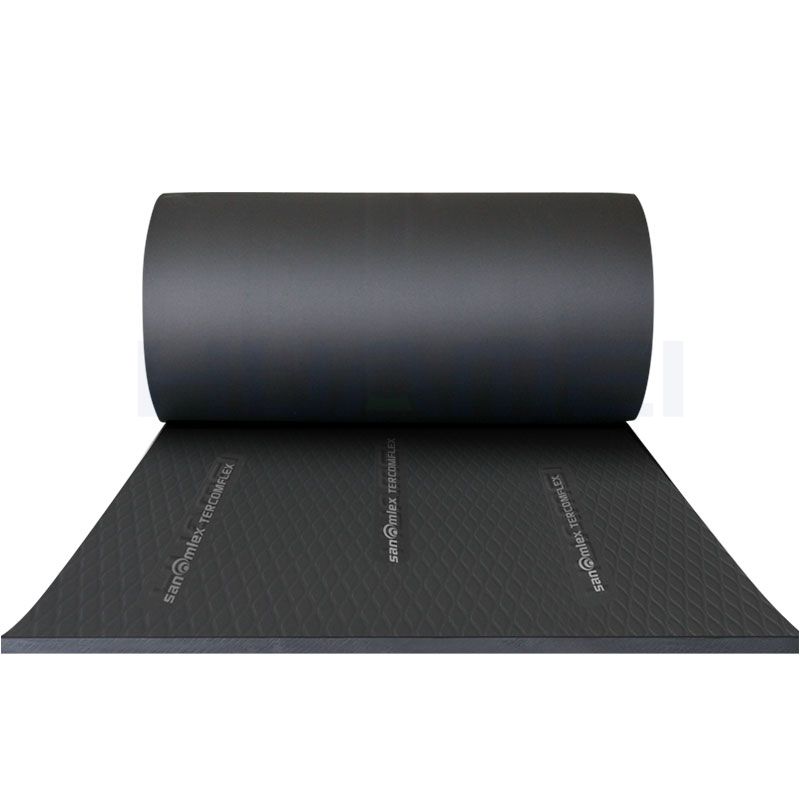
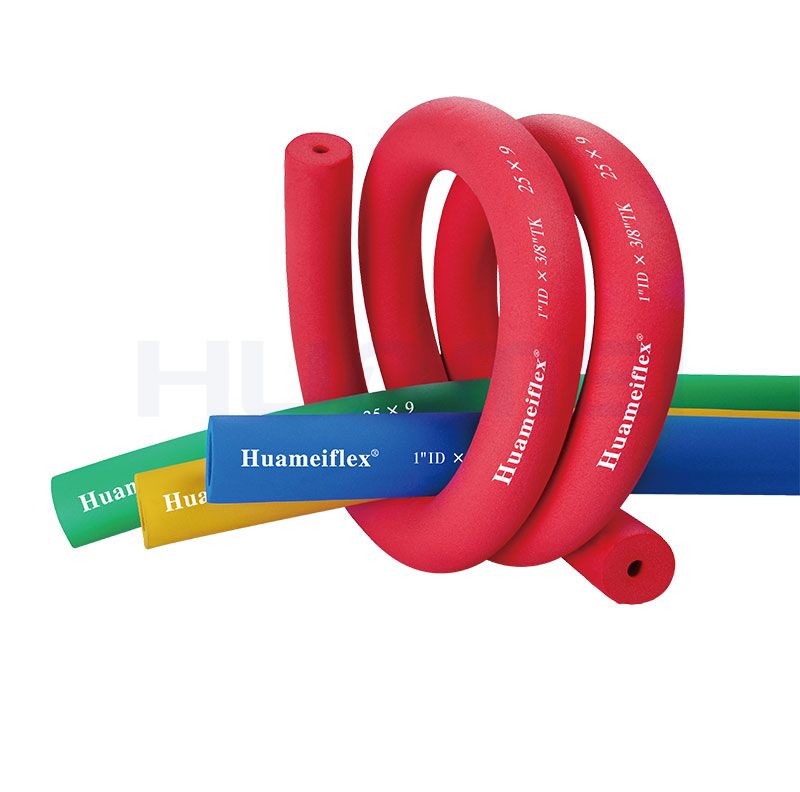
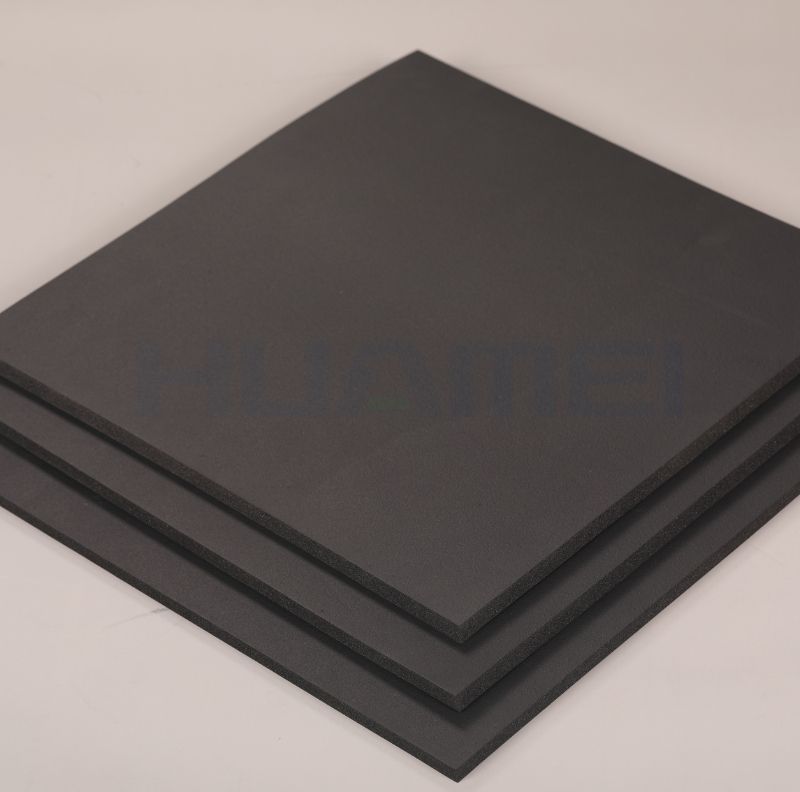
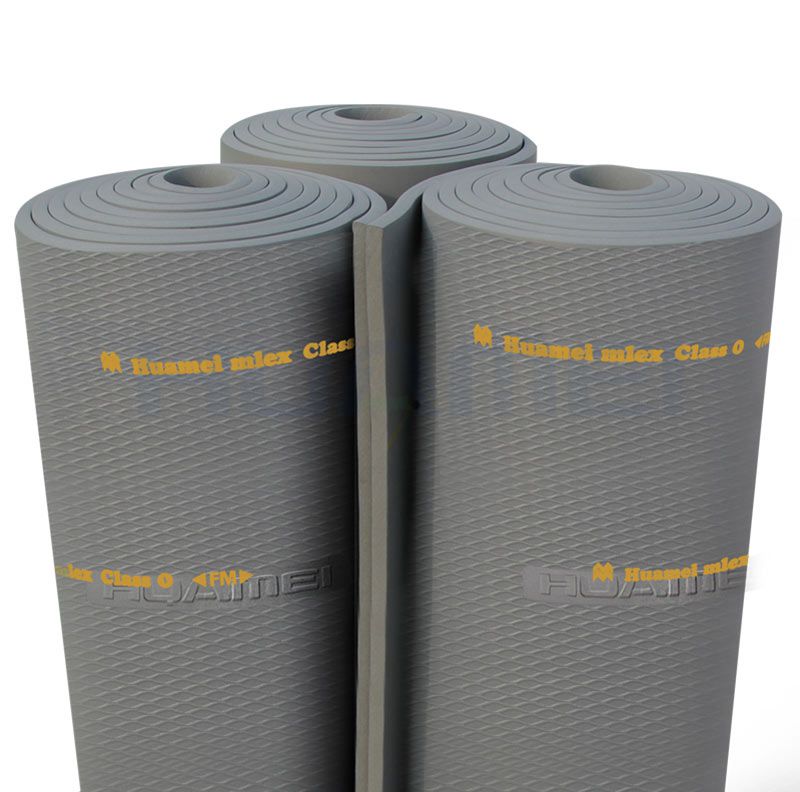
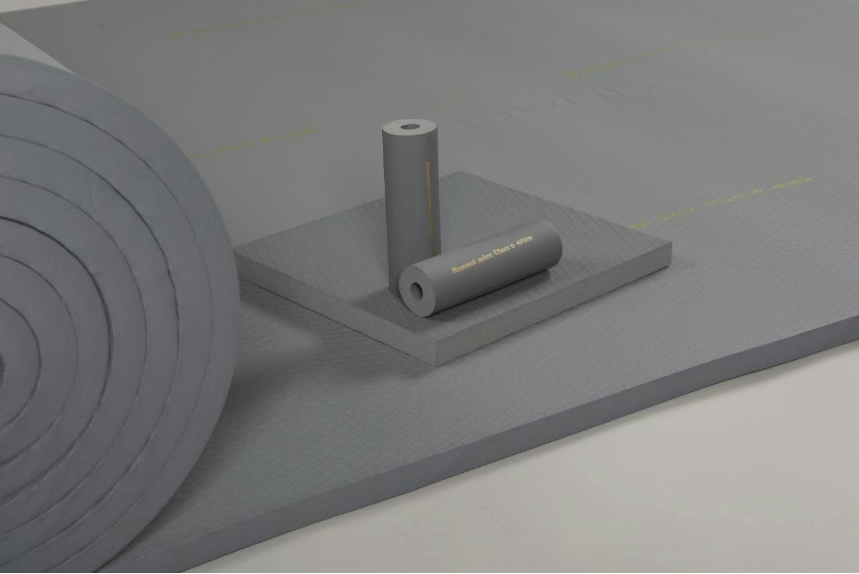
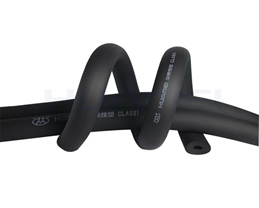
Rubber foam rolls are a versatile material used across industries due to their excellent thermal insulation properties and flexibility. These rolls consist of unique materials that provide superior thermal and acoustic insulation, making them ideal for a variety of applications. In this article, we will explore the properties of rubber foam rolls, their manufacturing process, and the environmental and safety issues associated with their use.
Rubber foam rolls are typically made from a blend of synthetic rubber and various additives to enhance their thermal insulation properties. The material composition may also include a closed cell structure, which contributes to the material's high thermal resistance and low thermal conductivity. This composition enables rubber foam rolls to effectively trap air and prevent heat transfer, making them an effective thermal insulation material.
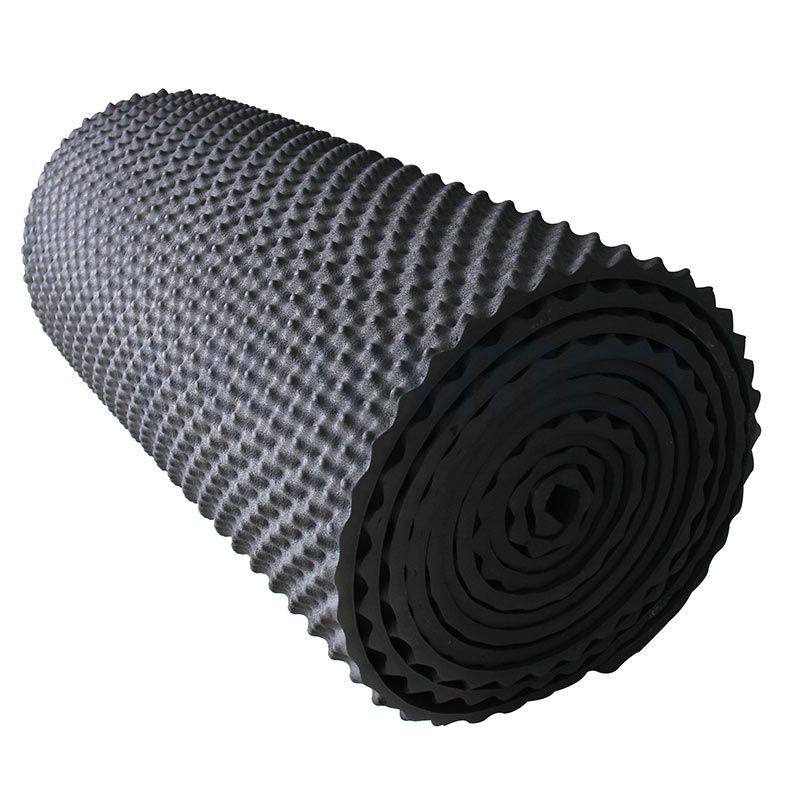
In terms of performance, rubber foam rolls exhibit excellent flexibility and elasticity, making them easy to install in a variety of applications. They are also resistant to moisture, chemicals, and aging, ensuring long-term performance and durability. In addition, rubber foam rolls have good sound absorption properties, making them ideal for noise control applications in construction and industrial environments.
The manufacturing process of rubber foam rolls involves several key steps, including material preparation, mixing, foaming, curing, and finishing. The process begins with the preparation of raw materials, which are then mixed and processed to form a homogenous compound. The compound then undergoes a foaming process, expanding and taking on the porous structure that is characteristic of foam materials.
After foaming, the material undergoes a curing process to achieve the desired physical and mechanical properties. This may involve the use of heat and pressure to ensure proper cross-linking of the polymer chains, resulting in a stable and resilient foam structure. Finally, the finished rubber foam rolls are cut into the required sizes and undergo quality control inspections to ensure compliance with industry standards.
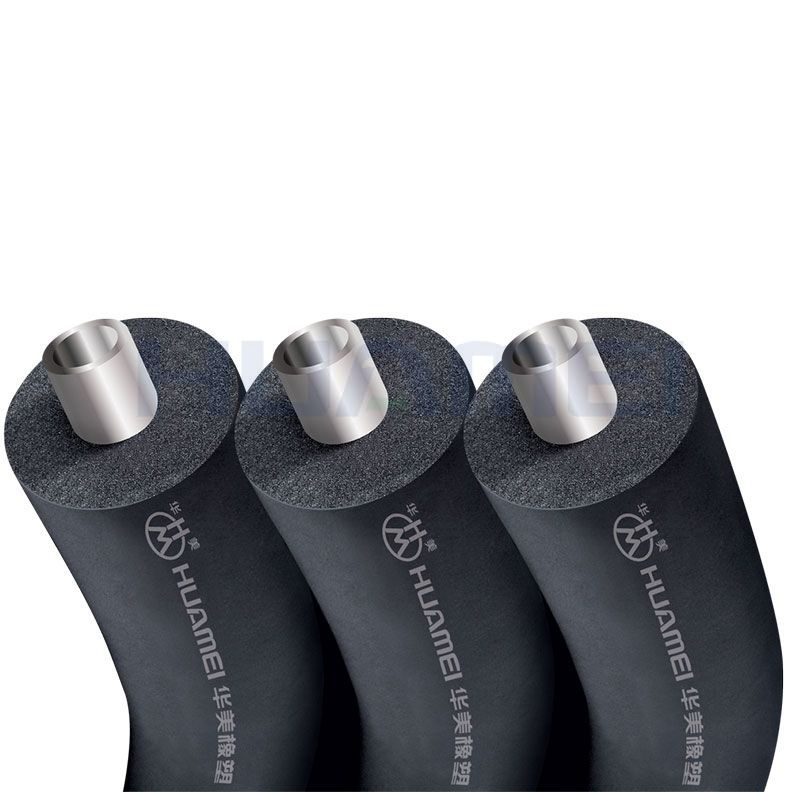
In recent years, there has been an increasing emphasis on the environmental protection and safety of the production and use of insulation materials. Rubber foam rolls, especially those produced by reputable companies such as Huamei, are designed to meet stringent environmental and safety standards. These rolls do not contain hazardous substances such as CFCs (chlorofluorocarbons) and HCFCs (hydrochlorofluorocarbons), making them environmentally friendly and safe for a variety of uses.
In addition, the production processes at Huamei's advanced facilities prioritize energy efficiency and waste reduction, minimizing the environmental impact of manufacturing operations. This commitment to sustainability is in line with the global push for environmentally friendly and sustainable insulation solutions.
Huamei has become a leading supplier in the industry with its extensive experience and expertise in the production of rubber foam insulation materials. With seven branches and ten production plants in four provinces across China, the company has become a reliable source of high-quality insulation products. In addition to rubber foam rolls, Huamei also specializes in glass wool products, extruded polystyrene insulation boards (XPS), and other insulation materials.
Huamei is committed to innovation and quality control to ensure that its products meet the diverse needs of customers in various fields such as construction, heating, ventilation and air conditioning (HVAC), and industrial applications. The company's investment in research and development enables it to continuously improve its product range and stay at the forefront of technological advancements in insulation materials.
In summary, rubber foam roll is a versatile and effective insulation material with a unique material composition that provides excellent thermal and acoustic insulation properties. Manufacturing processes, environmental protection, and safety considerations are key factors in the widespread use of rubber foam rolls in various applications.
Feb. 10, 2024
View More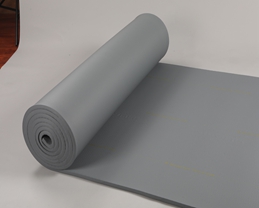
Mar. 28, 2024
View MoreContact Us
Insulation solutions LIST
Glass Wool Pipe for SaleBest Materials for Insulation: A Practical ComparisonHow glass wool insulation worksPerformance of Colorful Rubber Foam under High and Low TemperaturesSound Absorbing Foam: Enhancing Acoustics and Noise ControlConcrete Roof Thermal Insulation BoardsHigh-temperature Insulation glass wool applianceHuamei Sound Insulation SolutionsGlass Wool PipeThe Cheapest Insulated Shed – Affordable and High-Quality SolutionsClass 1 Rubber Foam ApplicationHow to Choose Insulation for Roof SystemsPolystyrene roof InsulationRubber foam tubeAcoustic Cotton Supplier: Why Huamei is the Ideal ChoiceDoes Cryogenic Rubber Foam Resist Condensation and Moisture?HVAC Insulation Material Comparison: Choosing the Best Solution for Your SystemColorful Rubber Foam vs EVA Foam: Material and Performance ComparisonColorful Rubber Foam ApplicationXPS vs Rock Wool: Different Applications and UsesRubber Foam RollsHow to Prevent Condensation on Cold Water Pipes?How to Choose Foil-clad Rubber Foam for Your ProjectHVAC InsulationHuamei Air Conditioning Energy Saving System SolutionWhere to Buy XPS Panels?Choose the right rubber foam for youGlass Wool SupplierRubber Foam ManufacturerPassive Solar Greenhouse vs Active Solar GreenhouseSound Absorbing FoamThermal Insulation Solutions for Steel Structure BuildingsInsulation Solutions:A Comprehensive Guide to InsulationChina Rubber Foam Supplier - Why choose us?How To Choose The Right Rock Wool Insulation For Your ProjectGreen Foam Board InsulationHuamei Class 0 Rubber FoamEPDM Rubber Foam ManufacturerCryogenic Rubber Foam SupplierFormaldehyde Free Insulation ManufacturerTop 10 Soundproofing Insulation Materials: Comparing Effectiveness and CostXPS Insulation for Cold Storage FloorsCan EPDM Rubber Foam Be Customized?Glass wool InsulationPassive Solar Greenhouse: How to Heat a Greenhouse Without ElectricityCopyright © Huamei Energy-saving Technology Group Co., Ltd. All Rights Reserved | Sitemap | Privacy Policy
Insulation solutions LIST: Insulation solutions LIST