E-mail: marketing@hbhuamei.com
Condensation forms on cold water pipes when the pipe surface becomes colder than the dew point of the surrounding air. High humidity and insufficient insulation can make the problem worse, leading to dripping water, wet insulation, and corrosion.
So, how can you prevent condensation on cold water pipes? Proper insulation, sealed joints, and correct installation can help keep pipe surfaces dry and protect the piping system.
Three common factors can increase the risk of condensation on cold water pipes:
Low pipe temperature: When the pipe surface temperature falls below the surrounding air's dew point, moisture in the air can form water droplets on the pipe.
High ambient humidity: Warm and humid air contains more moisture, increasing the possibility of condensation on cold pipe surfaces.
Insufficient or damaged insulation: Poor insulation or gaps can expose the pipe to humid air and create cold spots where condensation occurs.
Effective condensation control therefore requires both thermal insulation and moisture protection.
Proper insulation reduces heat transfer between the surrounding air and the cold pipe, helping keep the pipe surface above the dew point.
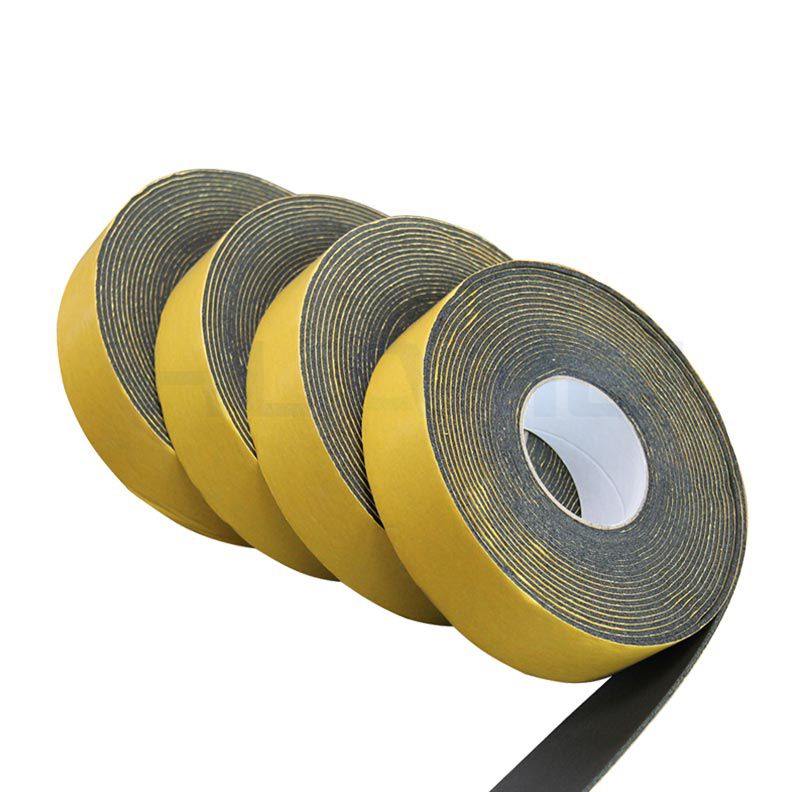
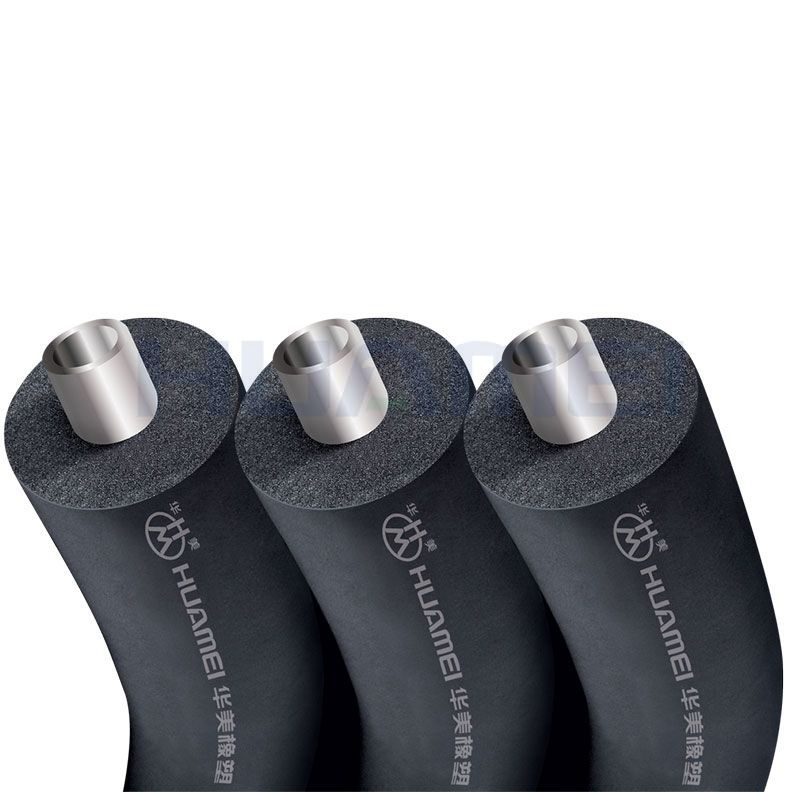
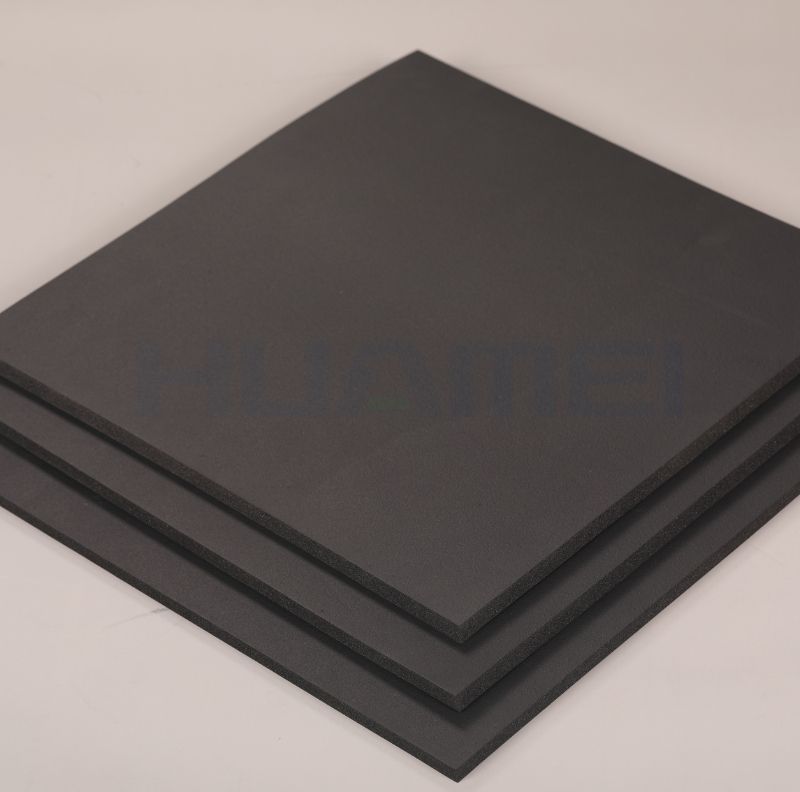
For cold water and HVAC piping,Rubber Foam Insulation is a practical option because it provides thermal insulation and moisture resistance. Different rubber foam insulation products can be selected according to the pipe temperature, application, and project requirements.
For example, Class 1 Rubber Foam features a closed-cell structure and is designed for cold and hot medium piping and equipment insulation.
Even suitable insulation may not provide effective condensation control if gaps are left between insulation sections.
During installation, pay particular attention to:
Longitudinal joints
Butt joints
Seams and connections
Pipe supports
Damaged insulation sections
The insulation should form a continuous protective layer around the pipe. Properly sealed joints help prevent warm, humid air from reaching the cold pipe surface.
This is especially important in humid environments or HVAC systems where cold water pipes may operate for long periods.
Condensation does not only occur on straight sections of pipe. Elbows, valves, tees, and other fittings can also become condensation points when insulation is interrupted.
These areas should be insulated as completely as possible to maintain a continuous insulation layer.
Rubber foam insulation can be applied around bends and irregular pipe sections, making it suitable for HVAC systems and piping layouts with multiple fittings.
For more information about rubber foam applications for pipes and fittings, see Class 1 Rubber Foam Application.
Rubber foam is commonly used for cold water and HVAC pipe insulation because it combines several properties that are useful for condensation control.
Its closed-cell structure helps limit moisture penetration into the insulation, while its thermal insulation properties help reduce heat transfer between the cold pipe and surrounding air.
Key properties that support condensation control include:
Closed-cell structure
Thermal insulation
Moisture resistance
Suitable for pipe bends and fittings
Easy installation
For projects with different insulation requirements, Class 0 Rubber Foam and Class 1 Rubber Foam can be considered according to the operating conditions and application.
Material selection is only part of the solution. Even a suitable insulation material may not control condensation effectively if it is installed incorrectly.
Before completing the insulation work, check the following:
1. The pipe surface is clean and dry before insulation is installed.
2. The insulation thickness is suitable for the pipe temperature and surrounding conditions.
3. The pipe is completely covered without exposed sections.
4. Joints and gaps are properly sealed to prevent moisture from reaching the pipe.
5. Valves, elbows, and fittings are insulated where necessary.
6. The insulation is not damaged or excessively compressed during installation
.
For HVAC systems, proper pipe insulation can help reduce condensation while also supporting the thermal performance of the piping system.
For distributors and contractors looking for a long-term insulation supplier, About Huamei provides more information about Huamei's insulation products, manufacturing capabilities, and solutions.
Preventing condensation on cold water pipes requires more than simply adding insulation. The overall result depends on the insulation material, insulation thickness, moisture protection, joint sealing, and installation quality.
Closed-cell rubber foam can be a practical option for many cold water and HVAC pipe applications because it combines thermal insulation and moisture resistance.
For distributors and contractors, selecting insulation according to the project's operating conditions and maintaining consistent installation quality can help provide a more reliable condensation-control solution.
Not under every condition. Condensation also depends on pipe temperature, ambient humidity, insulation thickness, joint sealing, and installation quality. Properly designed and installed insulation can significantly reduce the risk of condensation.
Yes. Closed-cell rubber foam is suitable for many cold water and HVAC pipe insulation applications because it provides thermal insulation and moisture resistance.
Common reasons include insufficient insulation thickness, gaps at joints, damaged insulation, poorly insulated fittings, or high ambient humidity. Checking the entire insulation system rather than only the straight pipe sections can help identify the problem.
Contact Us
Insulation solutions LIST
How to Choose Insulation for Roof SystemsThe Cheapest Insulated Shed – Affordable and High-Quality SolutionsHigh-temperature Insulation glass wool applianceConcrete Roof Thermal Insulation BoardsChina Rubber Foam Supplier - Why choose us?Insulation Solutions:A Comprehensive Guide to InsulationSound Absorbing Foam: Enhancing Acoustics and Noise ControlFormaldehyde Free Insulation ManufacturerAcoustic Cotton Supplier: Why Huamei is the Ideal ChoicePassive Solar Greenhouse: How to Heat a Greenhouse Without ElectricityColorful Rubber Foam ProductsHow To Choose The Right Rock Wool Insulation For Your ProjectPolystyrene roof InsulationThermal Insulation Solutions for Steel Structure BuildingsFoil-clad Glass Wool SuppliersRubber foam tubeHuamei Air Conditioning Energy Saving System SolutionEPDM Rubber Foam ManufacturerXPS vs Rock Wool: Different Applications and UsesCan EPDM Rubber Foam Be Customized?How to Improve the Durability and Appearance of Colorful Rubber FoamRubber Foam ManufacturerPerformance of Colorful Rubber Foam under High and Low TemperaturesGlass Wool Pipe for SaleHuamei Sound Insulation SolutionsTop 10 Soundproofing Insulation Materials: Comparing Effectiveness and CostHVAC Insulation Material Comparison: Choosing the Best Solution for Your SystemGlass wool InsulationPassive Solar Greenhouse vs Active Solar GreenhouseRubber Foam InsulationGreen Foam Board InsulationChoose the right rubber foam for youHuamei Class 0 Rubber FoamCryogenic Rubber Foam SupplierXPS Insulation for Cold Storage FloorsHow to Prevent Condensation on Cold Water Pipes?Glass Wool SupplierClass 1 Rubber Foam manufacturerColorful Rubber Foam ApplicationWhere to Buy XPS Panels?Glass Wool PipeDoes Cryogenic Rubber Foam Resist Condensation and Moisture?Rubber Foam RollsHVAC InsulationSound Absorbing FoamCopyright © Huamei Energy-saving Technology Group Co., Ltd. All Rights Reserved | Sitemap | Privacy Policy
Insulation solutions LIST: Insulation solutions LIST