E-mail: marketing@hbhuamei.com
Roof insulation is a key component in modern building construction, directly influencing energy efficiency, indoor comfort, and long-term structural performance. Selecting the right insulation for roof systems is essential for reducing energy consumption, improving building durability, and ensuring compliance with safety standards.
This guide explains how to choose the most suitable roof insulation based on performance factors, material types, and application requirements.
Roof systems are responsible for a significant portion of heat gain and heat loss in buildings. Without proper insulation, energy usage for heating and cooling increases sharply, leading to higher operational costs.
Effective roof insulation helps:
Reduce heat transfer and improve thermal efficiency
Maintain stable indoor temperatures
Improve acoustic performance
Enhance roof system lifespan
Lower overall energy consumption
For industrial and commercial projects, insulation selection directly affects long-term cost efficiency and operational performance.
Thermal performance is the primary factor in insulation selection. Materials with lower thermal conductivity provide better heat resistance.
Lower thermal conductivity = better insulation performance
Higher R-value = stronger thermal resistance
Common high-performance materials include rock wool and XPS insulation boards.
Fire safety is critical, especially in commercial and industrial buildings.
Non-combustible materials are preferred for safety compliance
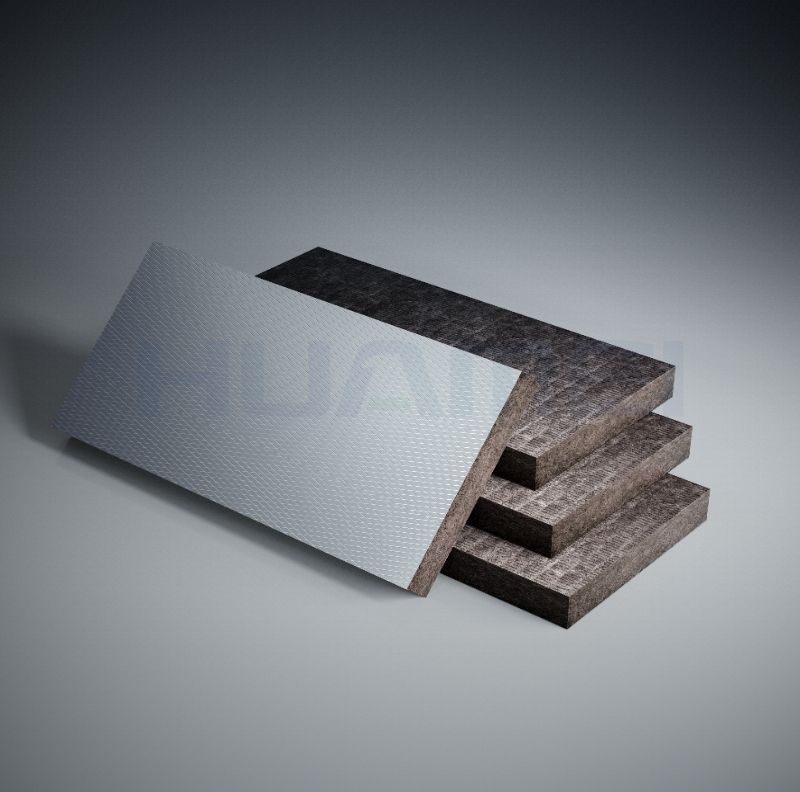
Rock wool is widely used due to excellent fire resistance
Must meet local building fire regulations
Moisture can reduce insulation efficiency and damage roof structures over time.
Closed-cell materials offer better moisture resistance
XPS boards and rubber foam perform well in humid environments
Proper vapor barrier design is important
Roof insulation is a long-term investment, requiring stable performance over time.
High-density materials provide better structural stability
Resistance to aging and deformation is important
Industrial applications require long service life materials
Roof load capacity must be considered during material selection.
Lightweight materials reduce structural pressure
Glass wool is commonly used in low-load systems
Dense materials are suitable for heavy-duty flat roofs
Cost should be evaluated from both initial investment and long-term performance.
Consider lifecycle cost instead of only purchase price
High-quality insulation reduces long-term energy bills
Balance performance and budget based on project needs
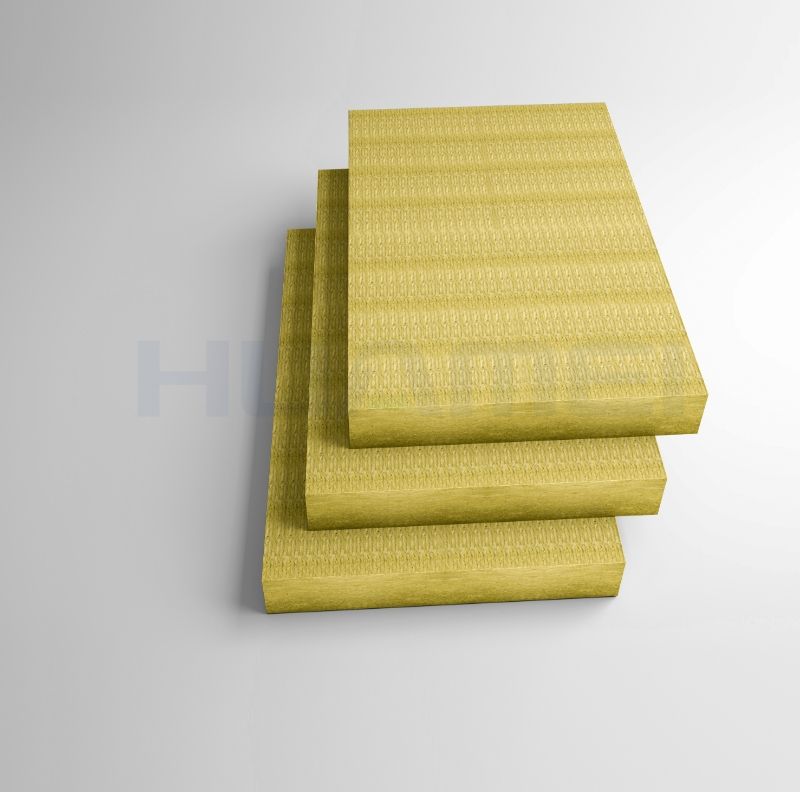
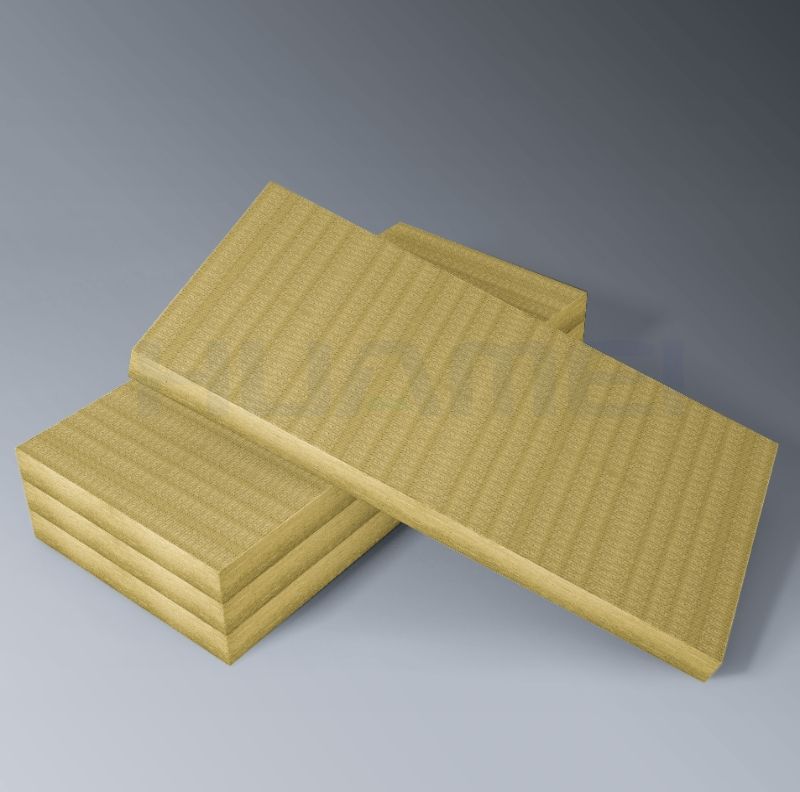
Excellent fire resistance
High thermal stability
Strong durability
Suitable for industrial and commercial roof systems requiring high safety performance.
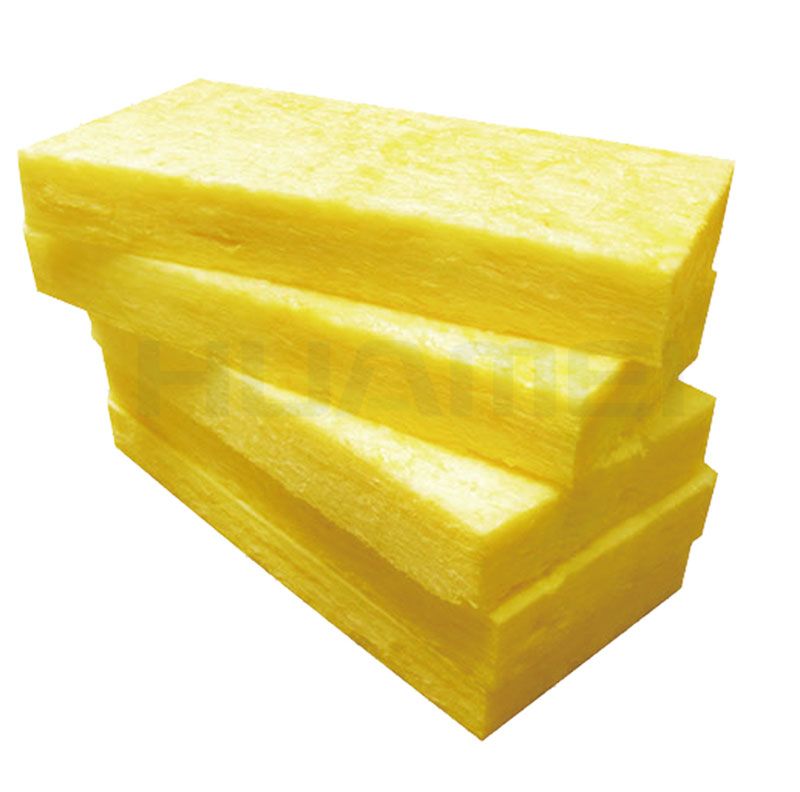
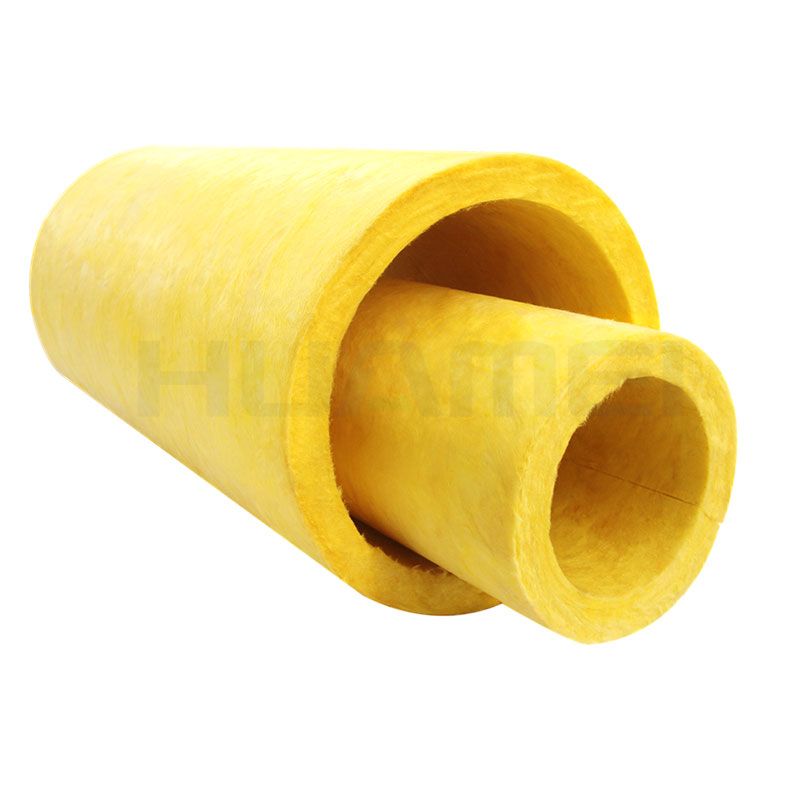
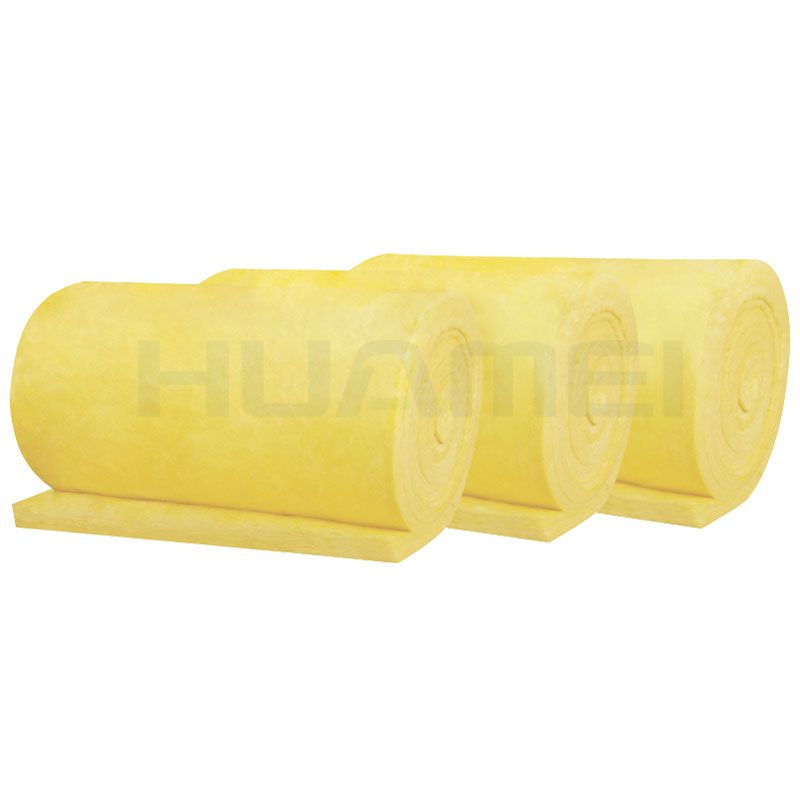
Lightweight and cost-effective
Good thermal and acoustic performance
Easy to install
Commonly used in residential and HVAC-related roof systems.
High compressive strength
Strong moisture resistance
Stable performance under load
Suitable for flat roofs and cold storage applications.
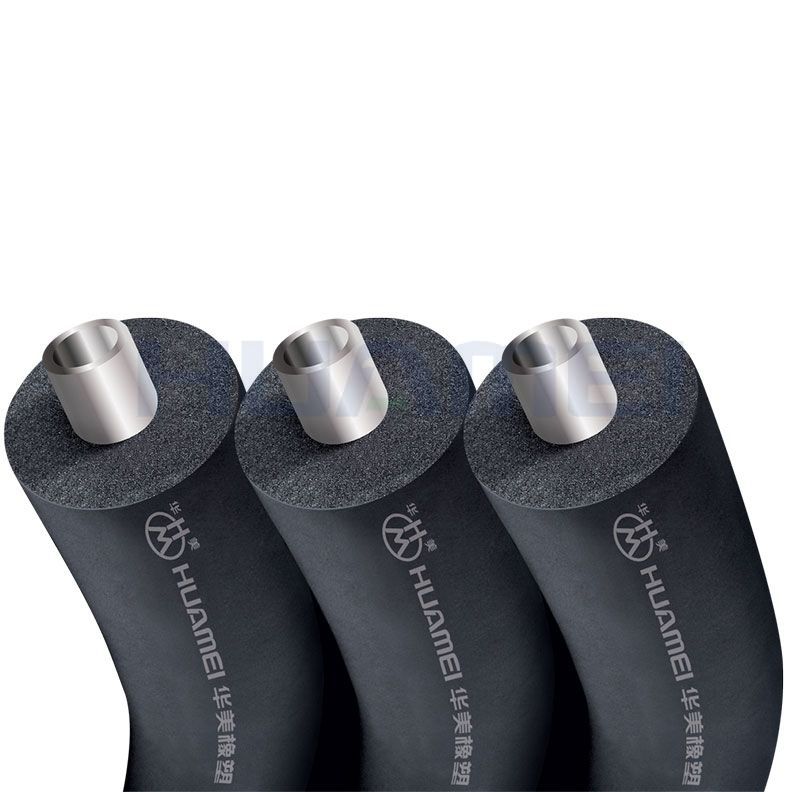
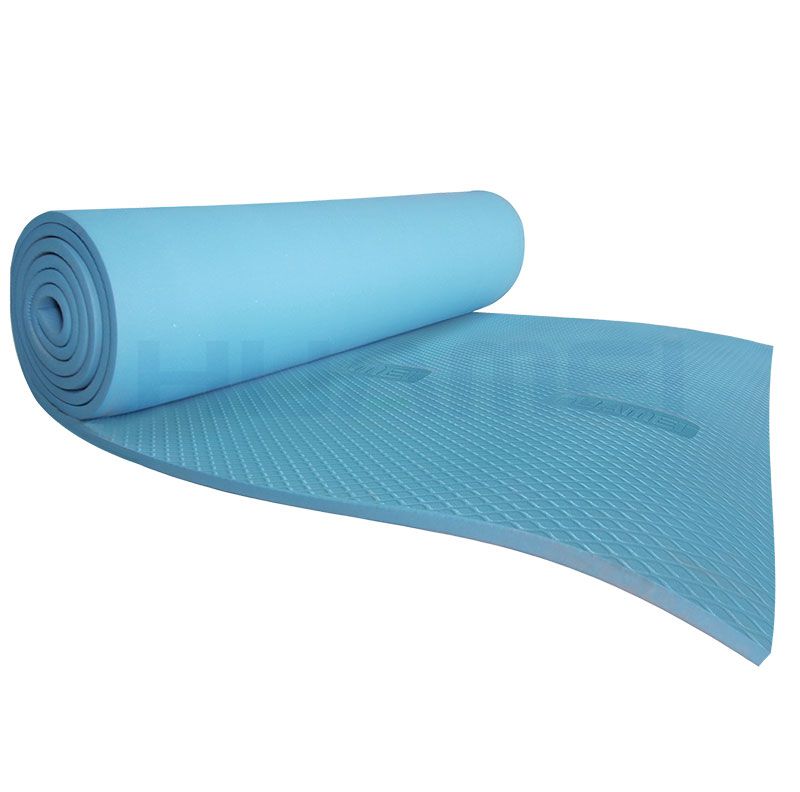
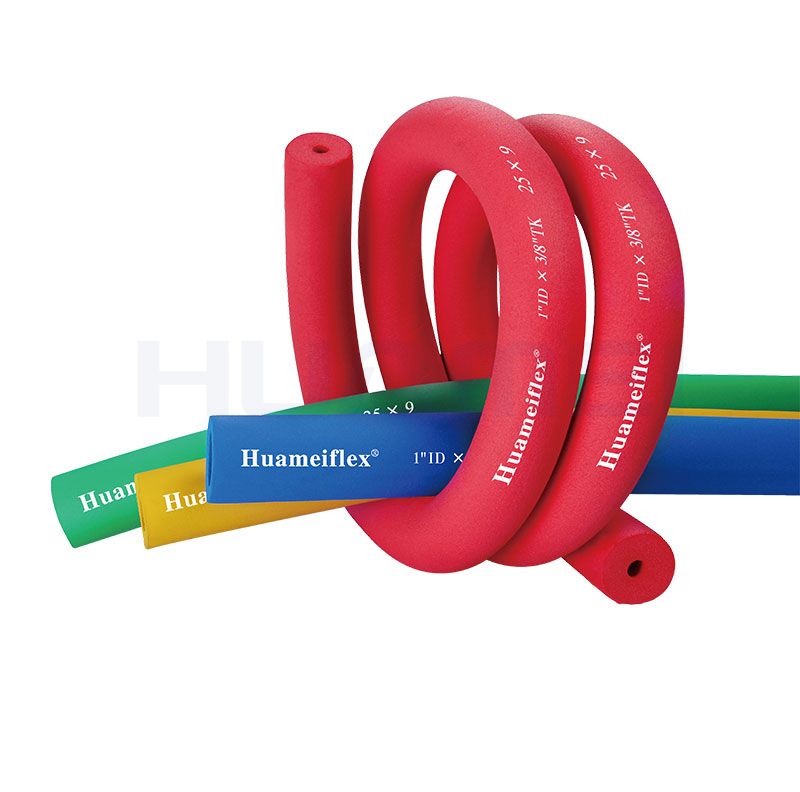
Flexible and easy to install
Strong anti-condensation properties
Good thermal insulation for HVAC systems
Ideal for pipe and duct-related roof insulation systems.
Require materials with strong compressive strength and moisture resistance.
Recommended: XPS boards, rock wool panels
Lightweight materials are preferred to reduce structural load.
Recommended: glass wool, flexible insulation materials
Focus on fire resistance and long-term durability.
Recommended: rock wool insulation
Main challenge is condensation control.
Recommended: rubber foam insulation, glass wool with vapor protection
Selecting materials based only on price
Ignoring fire safety requirements
Overlooking climate and environmental conditions
Not considering long-term energy efficiency
Mismatching insulation type with roof structure
Match insulation materials with specific application scenarios
Consider combining materials for multi-functional performance
Follow local building codes and standards
Prioritize energy efficiency over short-term cost savings
Work with experienced manufacturers for technical guidance
What is the best insulation for roof systems?
The best insulation depends on application requirements. Rock wool is ideal for fire resistance, while XPS is suitable for moisture-prone flat roofs.
Which insulation is most energy efficient for roofs?
Materials with low thermal conductivity, such as rock wool and XPS boards, offer strong energy efficiency performance.
Is glass wool suitable for roof insulation?
Yes, glass wool is widely used in residential and HVAC roof systems due to its lightweight and cost-effective properties.
How long does roof insulation last?
High-quality insulation materials typically last 20–50 years depending on installation quality and environmental conditions.
Can roof insulation reduce cooling costs?
Yes, proper insulation can significantly reduce heat gain and lower cooling energy consumption by 30–50%.
If you are looking for reliable roof insulation materials for your project, we can provide professional solutions tailored to your requirements.
We supply a full range of insulation products including rock wool, glass wool, XPS boards, and rubber foam insulation for construction and industrial applications worldwide.
Contact us to get:
Professional technical consultation
Material recommendations based on your project
Competitive factory pricing
Customized insulation solutions
Request a quote today to improve your roof system performance with high-quality insulation materials.
Contact Us
Insulation solutions LIST
How glass wool insulation worksEPDM Rubber Foam ManufacturerPerformance of Colorful Rubber Foam under High and Low TemperaturesPassive Solar Greenhouse vs Active Solar GreenhouseHow To Choose The Right Rock Wool Insulation For Your ProjectSound Absorbing FoamChoose the right rubber foam for youHuamei Class 0 Rubber FoamGlass Wool Pipe for SalePolystyrene roof InsulationInsulation Solutions:A Comprehensive Guide to InsulationHow to Improve the Durability and Appearance of Colorful Rubber FoamHow to Choose Foil-clad Rubber Foam for Your ProjectGlass Wool SupplierHVAC InsulationClass 1 Rubber Foam ApplicationHuamei Sound Insulation SolutionsTop 10 Soundproofing Insulation Materials: Comparing Effectiveness and CostCryogenic Rubber Foam SupplierRubber Foam RollsHVAC Insulation Material Comparison: Choosing the Best Solution for Your SystemHuamei Air Conditioning Energy Saving System SolutionGreen Foam Board InsulationWhere to Buy XPS Panels?Concrete Roof Thermal Insulation BoardsPassive Solar Greenhouse: How to Heat a Greenhouse Without ElectricityThermal Insulation Solutions for Steel Structure BuildingsHigh-temperature Insulation glass wool applianceBest Materials for Insulation: A Practical ComparisonHow to Choose Insulation for Roof SystemsHow to Prevent Condensation on Cold Water Pipes?Glass wool InsulationFoil-clad Glass Wool SuppliersXPS vs Rock Wool: Different Applications and UsesDoes Cryogenic Rubber Foam Resist Condensation and Moisture?The Cheapest Insulated Shed – Affordable and High-Quality SolutionsAcoustic Cotton Supplier: Why Huamei is the Ideal ChoiceCan EPDM Rubber Foam Be Customized?Class 1 Rubber Foam manufacturerSound Absorbing Foam: Enhancing Acoustics and Noise ControlFormaldehyde Free Insulation ManufacturerRubber foam tubeColorful Rubber Foam ProductsGlass Wool PipeChina Rubber Foam Supplier - Why choose us?Copyright © Huamei Energy-saving Technology Group Co., Ltd. All Rights Reserved | Sitemap | Privacy Policy
Insulation solutions LIST: Insulation solutions LIST