E-mail: marketing@hbhuamei.com
Glass wool insulation is widely used in buildings and HVAC systems to help reduce heat transfer and improve energy efficiency. But how does glass wool insulation work, and what makes it effective as a thermal insulation material? Its performance is closely related to the structure of its fine glass fibers, which trap air and help slow the movement of heat.
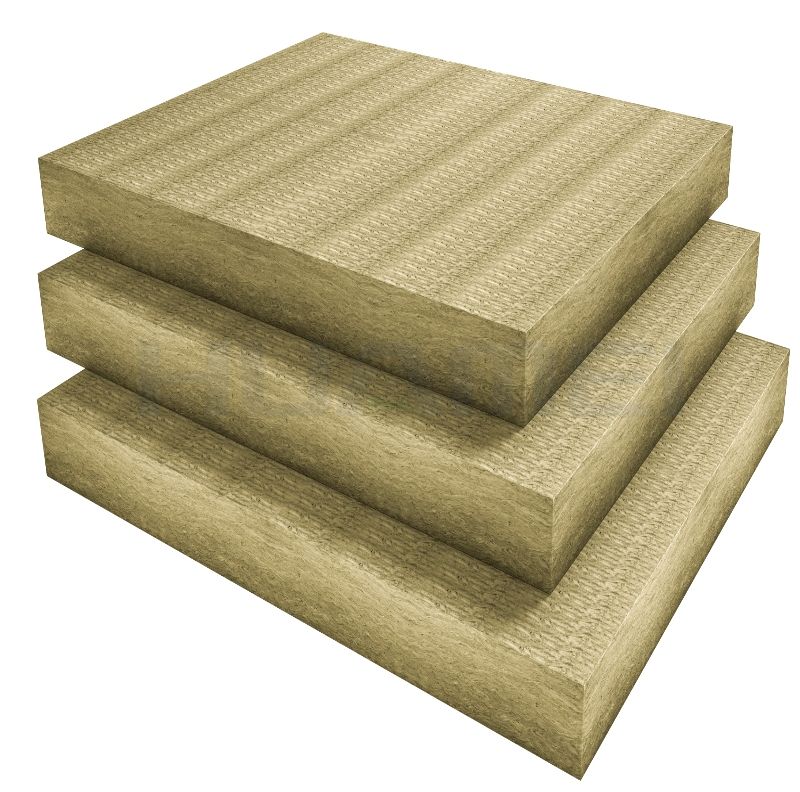
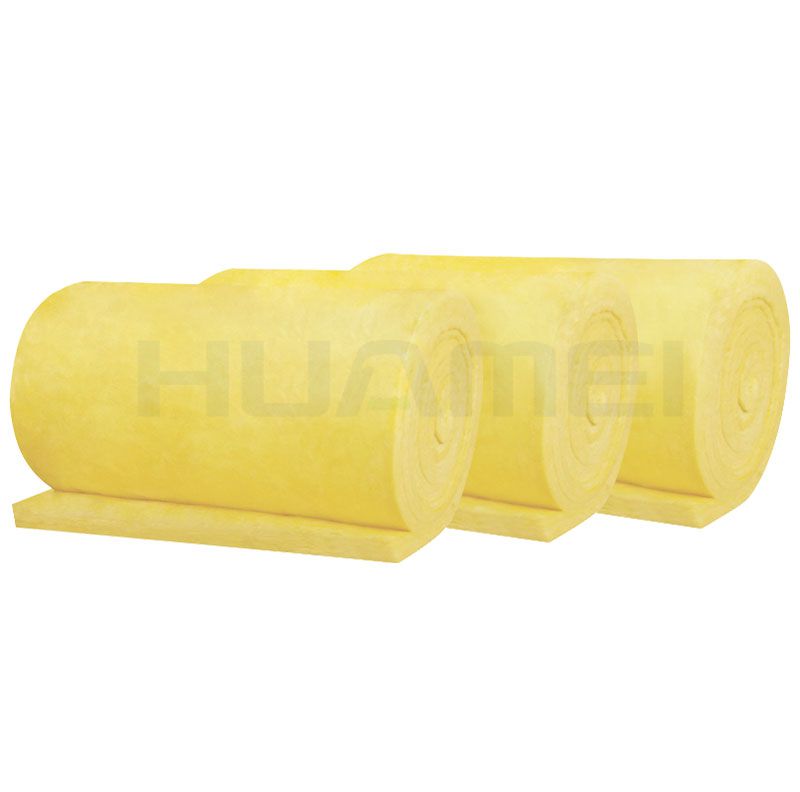
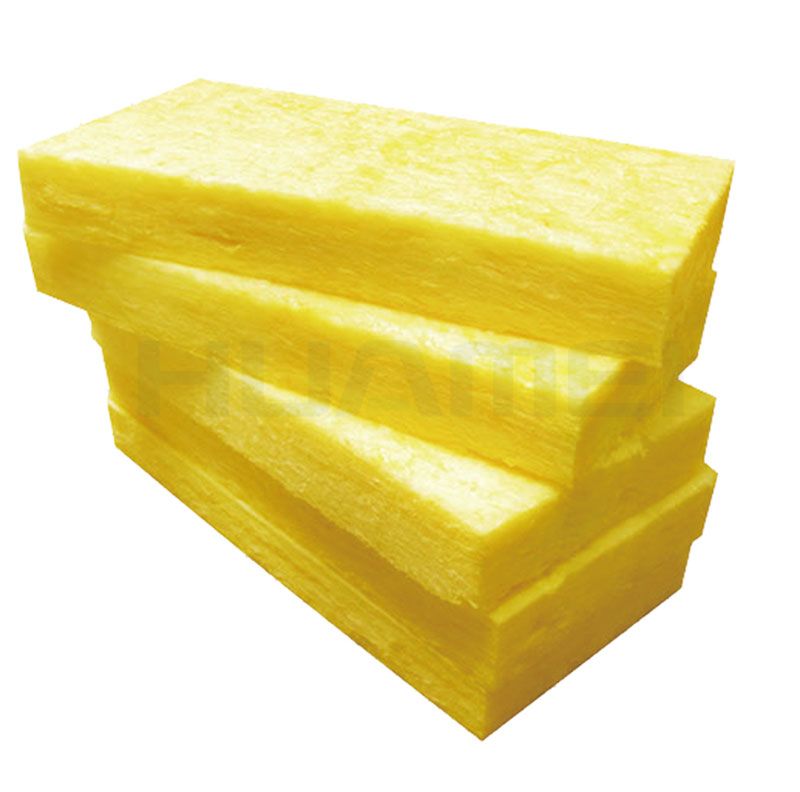
Glass wool insulation is made from fine glass fibers arranged in a lightweight, fibrous structure. The spaces between these fibers contain small pockets of air. Because still air conducts heat relatively poorly, this structure helps reduce heat transfer through the insulation.
When discussing how glass wool works, it is important to understand the three main forms of heat transfer: conduction, convection, and radiation. Glass wool helps limit air movement within its structure and slows heat conduction through the material. Its fibrous structure also affects radiant heat transfer, although the overall thermal performance depends on the product's design and installation conditions.
This is how glass wool thermal insulation helps maintain more stable indoor temperatures. Rather than completely stopping heat flow, glass wool increases the resistance to heat transfer through walls, ceilings, roofs, and other insulated assemblies.
The thermal performance of glass wool insulation depends on more than the material itself. Several factors influence how effectively it works in real applications.
Thickness affects the thermal resistance of glass wool. In general, increasing the thickness can improve the thermal resistance of an insulation assembly when other conditions remain comparable. The required thickness depends on the building design, temperature conditions, and applicable energy requirements.
Glass wool insulation products are available in different densities and forms. However, density alone does not determine thermal performance. Fiber structure, product composition, thickness, and the intended application must also be considered when selecting glass wool for thermal insulation.
Gaps, compression, and incomplete coverage can reduce the effectiveness of glass wool insulation. Proper installation helps the material maintain its intended thickness and coverage, supporting more consistent thermal performance throughout the insulated area.
Glass wool should be used as part of an appropriate moisture-management system. Persistent dampness and water accumulation can affect the performance of an insulation assembly and surrounding building components. Vapor control and weather protection should be selected according to the project conditions.
Glass wool insulation is used in a range of building and mechanical applications. In residential and commercial buildings, it can be installed in walls, ceilings, roofs, and partitions to help reduce heat transfer.
Glass wool insulation for HVAC systems can also be used in suitable ductwork and building-service applications, depending on the product specifications and operating conditions. In addition to thermal insulation, glass wool can absorb sound energy, making it useful in acoustic applications such as partitions and ceilings.
The most suitable glass wool insulation application depends on the required thermal resistance, available installation space, environmental conditions, and relevant building requirements. Choosing the right product and installing it correctly are both important for achieving the intended results.
Understanding how glass wool insulation works starts with its fibrous structure and the air trapped between its fibers. This structure helps slow heat transfer and makes glass wool a widely used thermal insulation material in buildings and suitable HVAC applications.
Thickness, fiber structure, installation quality, and moisture management all influence the thermal performance of glass wool insulation. Considering these factors helps project teams select suitable products for their building and insulation requirements.
Contact Us
Insulation solutions LIST
How glass wool insulation worksChina Rubber Foam Supplier - Why choose us?How To Choose The Right Rock Wool Insulation For Your ProjectEPDM Rubber Foam ManufacturerColorful Rubber Foam ProductsHuamei Air Conditioning Energy Saving System SolutionHow to Prevent Condensation on Cold Water Pipes?Colorful Rubber Foam vs EVA Foam: Material and Performance ComparisonClass 1 Rubber Foam manufacturerInsulation Solutions:A Comprehensive Guide to InsulationHow to Improve the Durability and Appearance of Colorful Rubber FoamRubber Foam RollsThe Cheapest Insulated Shed – Affordable and High-Quality SolutionsCryogenic Rubber Foam SupplierPolystyrene roof InsulationGreen Foam Board InsulationDoes Cryogenic Rubber Foam Resist Condensation and Moisture?Acoustic Cotton Supplier: Why Huamei is the Ideal ChoiceHow to Choose Insulation for Roof SystemsRubber Foam InsulationHow to Choose Foil-clad Rubber Foam for Your ProjectTop 10 Soundproofing Insulation Materials: Comparing Effectiveness and CostBest Materials for Insulation: A Practical ComparisonPerformance of Colorful Rubber Foam under High and Low TemperaturesHuamei Class 0 Rubber FoamSound Absorbing FoamPassive Solar Greenhouse vs Active Solar GreenhouseXPS Insulation for Cold Storage FloorsFoil-clad Glass Wool SuppliersGlass Wool SupplierWhere to Buy XPS Panels?Colorful Rubber Foam ApplicationHigh-temperature Insulation glass wool applianceRubber Foam ManufacturerHVAC InsulationHVAC Insulation Material Comparison: Choosing the Best Solution for Your SystemGlass wool InsulationRubber foam tubeThermal Insulation Solutions for Steel Structure BuildingsXPS vs Rock Wool: Different Applications and UsesConcrete Roof Thermal Insulation BoardsGlass Wool Pipe for SaleSound Absorbing Foam: Enhancing Acoustics and Noise ControlCan EPDM Rubber Foam Be Customized?Choose the right rubber foam for youCopyright © Huamei Energy-saving Technology Group Co., Ltd. All Rights Reserved | Sitemap | Privacy Policy
Insulation solutions LIST: Insulation solutions LIST