E-mail: marketing@hbhuamei.com
Polystyrene roof insulation is a commonly used building insulation material with excellent thermal insulation performance, light weight and easy processing. Here are some detailed information about polystyrene roof insulation:
Polystyrene insulation materials are mainly divided into two types:
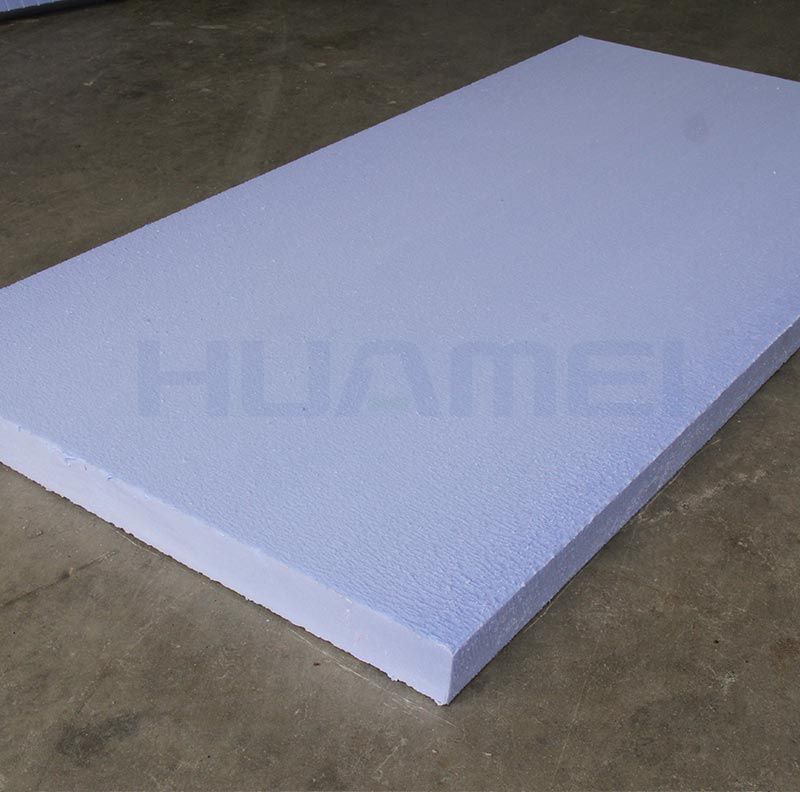
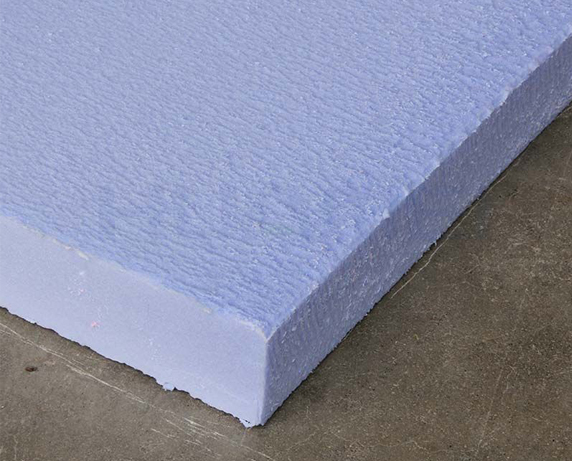
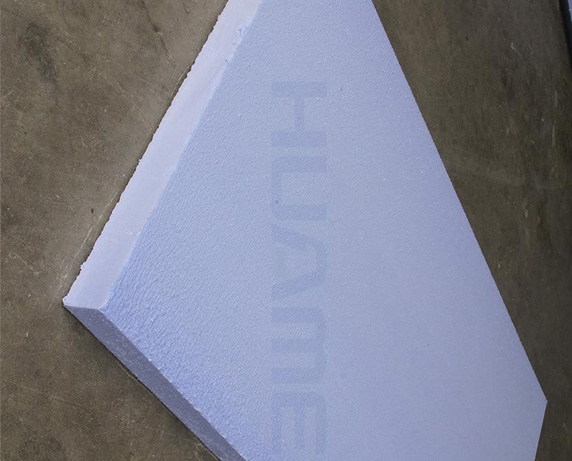
Expanded polystyrene (EPS): Made by heating and expanding polystyrene beads, it contains a large number of air pores inside and has good thermal insulation performance and economy.
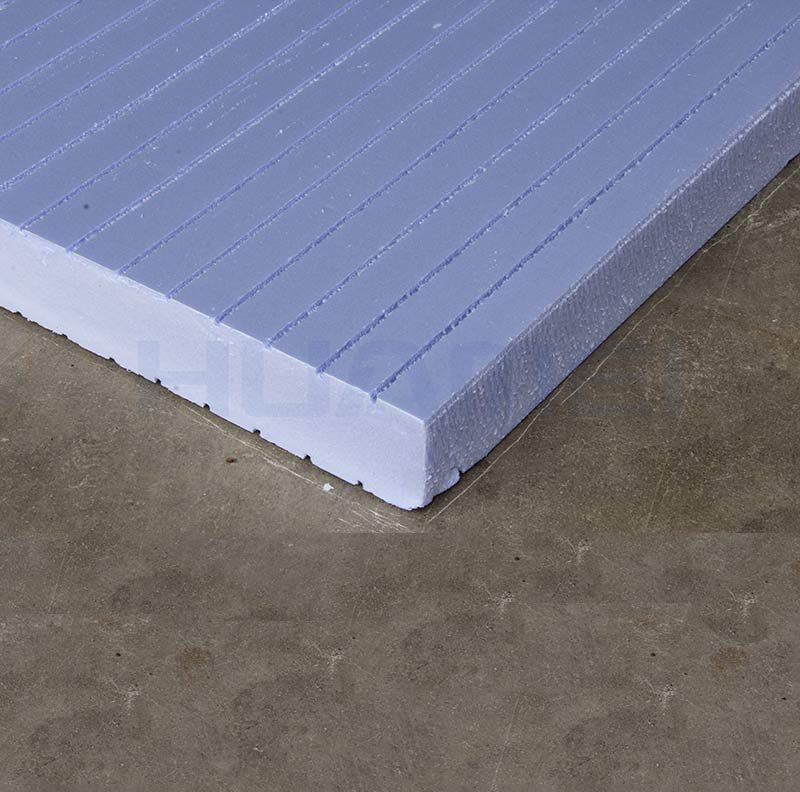
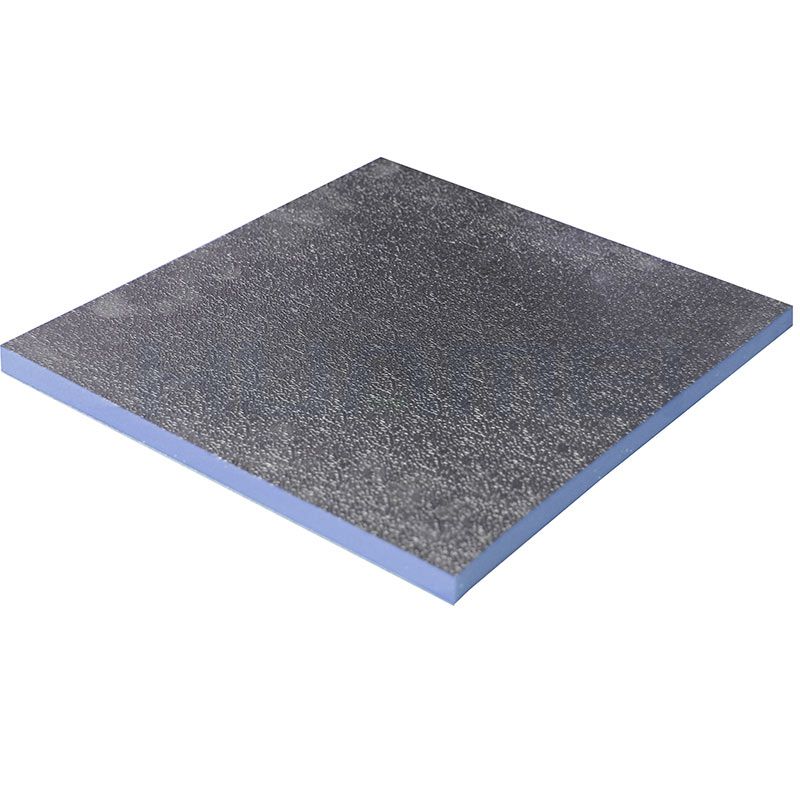
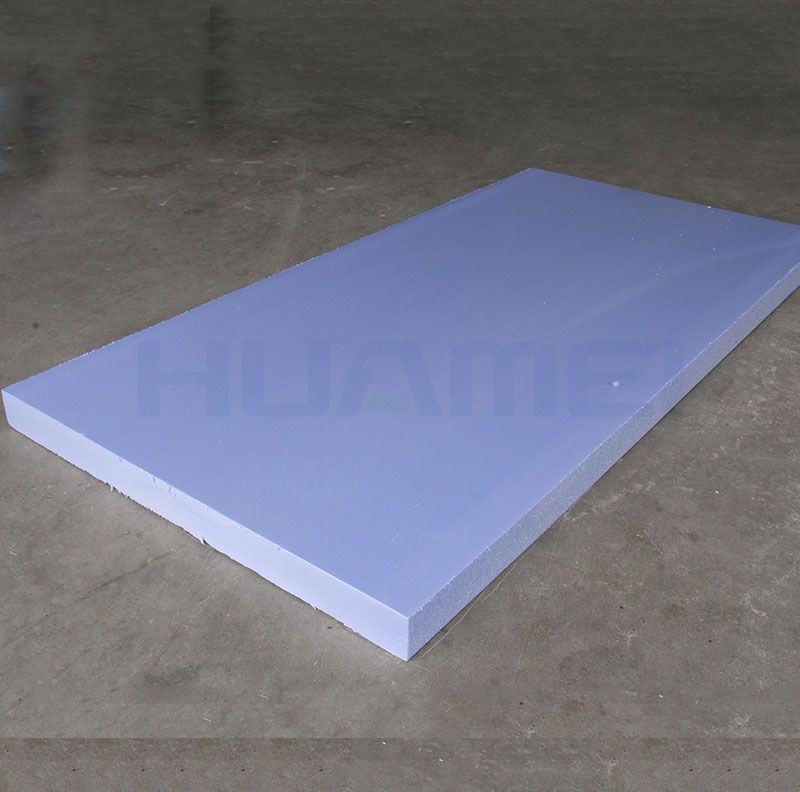
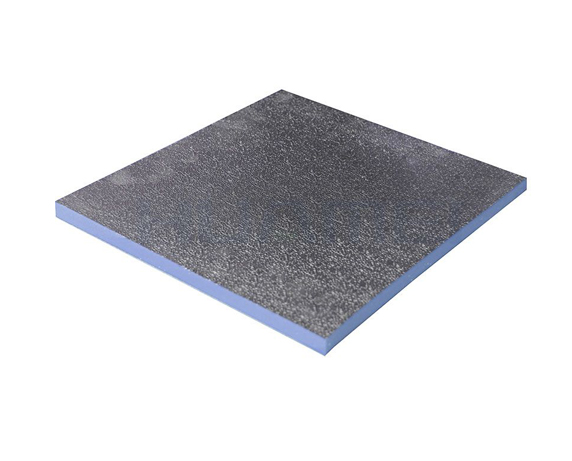
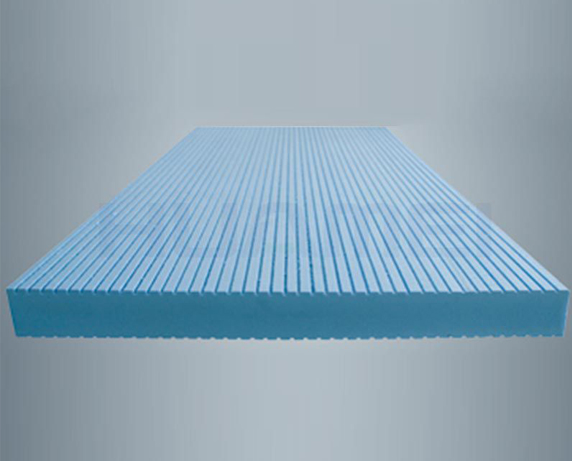
Extruded polystyrene (XPS): Made by extrusion molding process of polystyrene resin, it has a closed cell structure, higher density, better thermal insulation performance and compressive strength.
Excellent thermal insulation performance: Polystyrene has low thermal conductivity, which can effectively reduce the conduction of heat and provide good thermal insulation effect.
Lightweight: Polystyrene material is very light, easy to carry and install, and will not increase the load of the building.
Moistureproof and waterproof: XPS in particular has good moistureproof performance and is suitable for use in humid environments.
Durability: Polystyrene materials have a long service life and can maintain stable insulation performance for a long time.
Compressive strength: XPS has high compressive strength and is suitable for roof structures that need to bear large loads.
Polystyrene insulation materials are widely used in roof insulation systems of various buildings, including:
Flat roof: The insulation layer used for flat roofs can effectively reduce heat loss and improve energy efficiency.
Sloped roof: Used for insulation of sloped roofs, providing good insulation effect and preventing the formation of thermal bridges.
Industrial buildings: Used for roof insulation of industrial buildings such as factories and warehouses to improve the comfort of the indoor environment.
Residential buildings: Used for roof insulation of various residential buildings to improve the energy saving effect of the living environment.
The installation method of polystyrene insulation materials mainly includes the following steps:
Preparation: Make sure the roof surface is flat, clean and dry.
Laying insulation board: Lay the polystyrene insulation board on the roof structure according to the design requirements, and pay attention to the tight connection between the boards to avoid the formation of thermal bridges.
Fixation: Use special fixings or adhesives to fix the insulation board on the roof to prevent displacement.
Waterproof treatment: Lay a waterproof layer above the insulation layer to prevent rainwater from penetrating into the insulation layer and affecting the insulation effect.
Modern polystyrene insulation materials pay more and more attention to environmental protection and safety during production and use:
Environmental protection: Many polystyrene insulation materials use chlorofluorocarbon (CFC)free foaming agents, which do not damage the ozone layer and meet environmental protection standards.
Safety: Polystyrene materials have good fire resistance, and flame retardant treated materials can meet the fire protection requirements of buildings.
Advantages:
Good thermal insulation and moisture resistance.
Lightweight, easy to process and install.
Economical and cost-effective.
Disadvantages:
Sensitive to ultraviolet rays, long-term exposure to sunlight may cause aging.
Recycling is relatively complicated, and it has a certain impact on the environment after disposal.
Due to its excellent performance and economy, polystyrene roof insulation materials are widely used in various building insulation systems, providing effective energy saving solutions for buildings.
May. 25, 2021
View More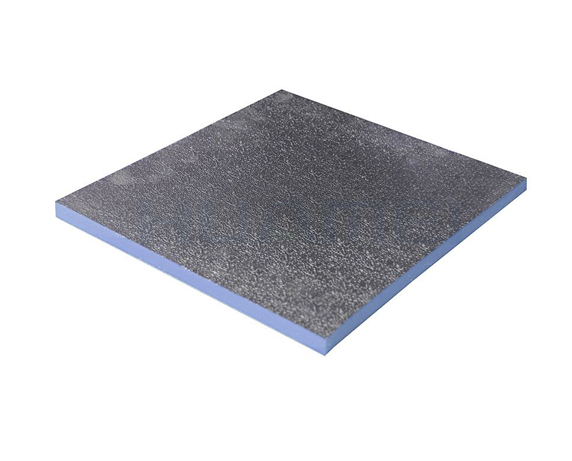
Oct. 18, 2022
View More
May. 25, 2022
View MoreContact Us
Insulation solutions LIST
Performance of Colorful Rubber Foam under High and Low TemperaturesCan EPDM Rubber Foam Be Customized?Foil-clad Glass Wool SuppliersDoes Cryogenic Rubber Foam Resist Condensation and Moisture?Formaldehyde Free Insulation ManufacturerSound Absorbing Foam: Enhancing Acoustics and Noise ControlGlass Wool Pipe for SaleThe Cheapest Insulated Shed – Affordable and High-Quality SolutionsClass 1 Rubber Foam manufacturerHow to Improve the Durability and Appearance of Colorful Rubber FoamChoose the right rubber foam for youHVAC InsulationRubber Foam RollsGlass Wool PipeHuamei Sound Insulation SolutionsThermal Insulation Solutions for Steel Structure BuildingsPolystyrene roof InsulationColorful Rubber Foam ProductsTop 10 Soundproofing Insulation Materials: Comparing Effectiveness and CostColorful Rubber Foam vs EVA Foam: Material and Performance ComparisonHigh-temperature Insulation glass wool applianceHuamei Class 0 Rubber FoamColorful Rubber Foam ApplicationHuamei Air Conditioning Energy Saving System SolutionHow To Choose The Right Rock Wool Insulation For Your ProjectCryogenic Rubber Foam SupplierGlass wool InsulationPassive Solar Greenhouse vs Active Solar GreenhouseHow to Choose Insulation for Roof SystemsChina Rubber Foam Supplier - Why choose us?Rubber foam tubePassive Solar Greenhouse: How to Heat a Greenhouse Without ElectricityClass 1 Rubber Foam ApplicationGlass Wool SupplierInsulation Solutions:A Comprehensive Guide to InsulationSound Absorbing FoamAcoustic Cotton Supplier: Why Huamei is the Ideal ChoiceHVAC Insulation Material Comparison: Choosing the Best Solution for Your SystemEPDM Rubber Foam ManufacturerGreen Foam Board InsulationConcrete Roof Thermal Insulation BoardsWhere to Buy XPS Panels?Rubber Foam InsulationRubber Foam ManufacturerCopyright © Huamei Energy-saving Technology Group Co., Ltd. All Rights Reserved | Sitemap | Privacy Policy
Insulation solutions LIST: Insulation solutions LIST