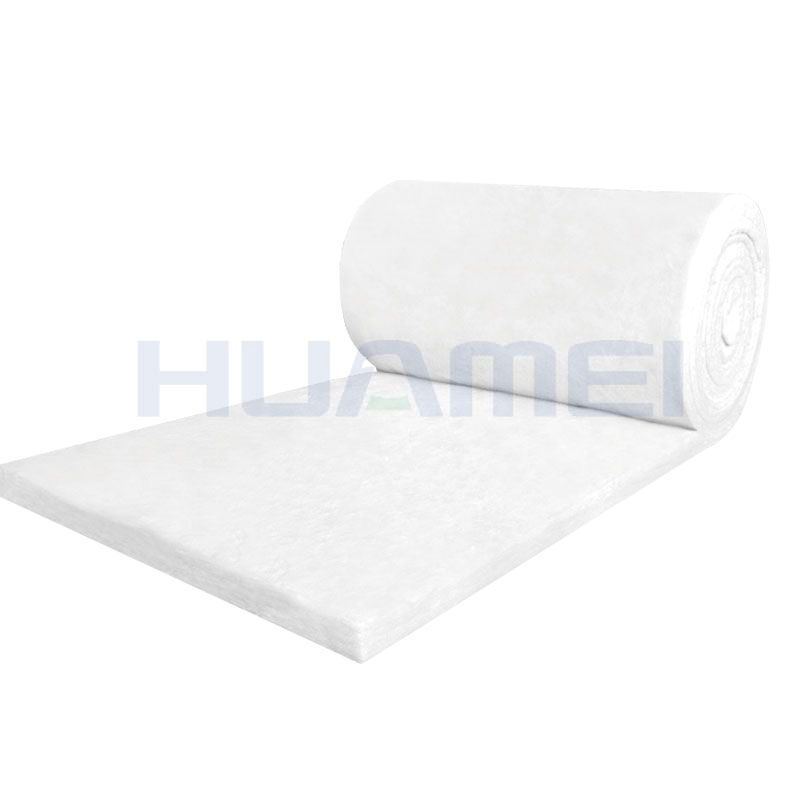
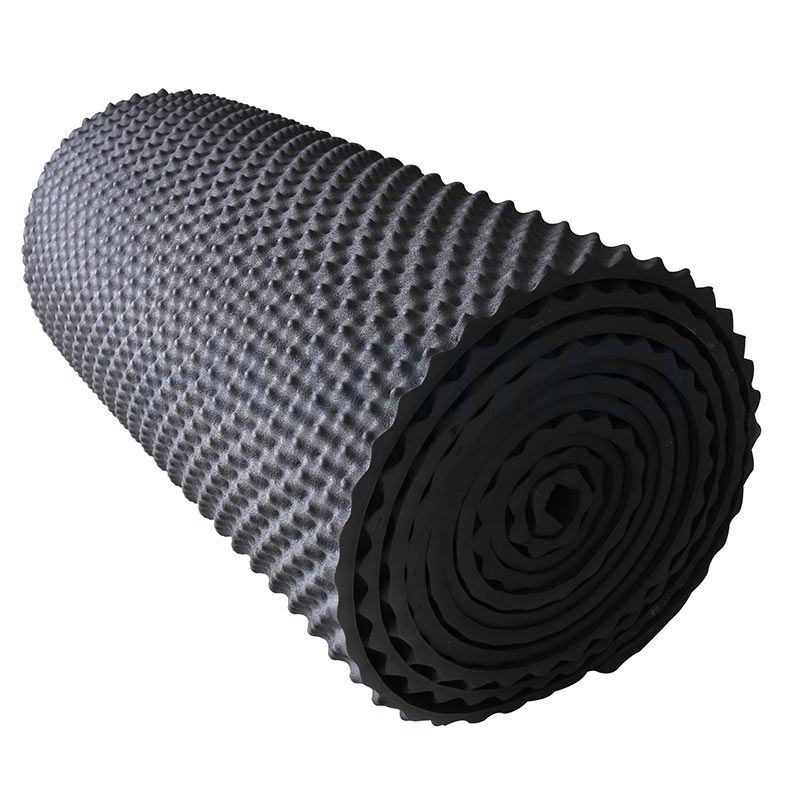
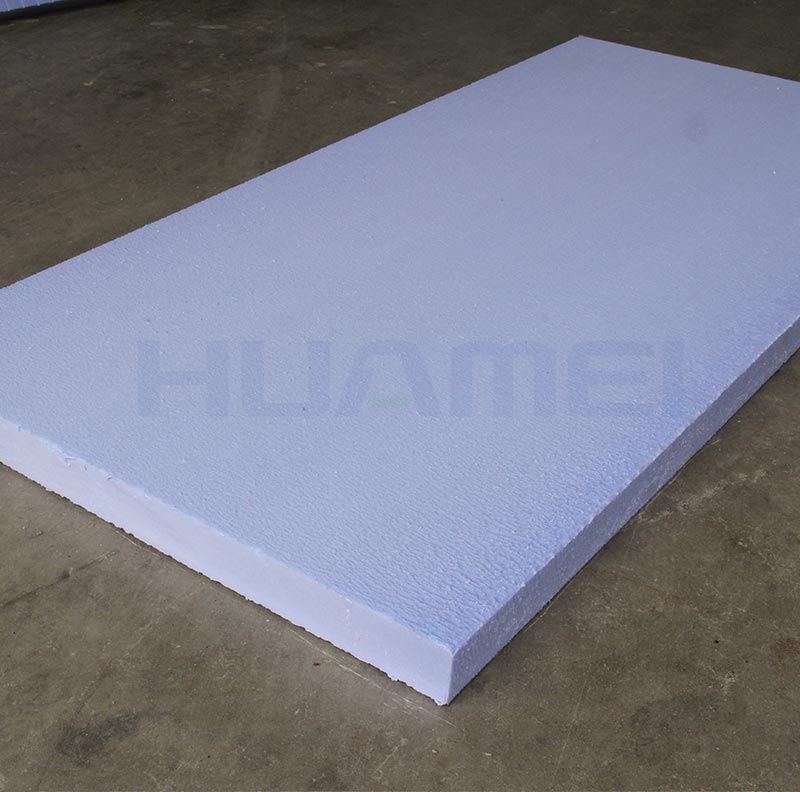
Rock wool insulation boards are widely used in building insulation systems because they combine thermal insulation with fire resistance and sound absorption. However, different board types are designed for different applications. Exterior walls, roofs, and curtain wall systems have different requirements for compressive strength, tensile strength, water resistance, and fire performance.
For buyers, selecting the right rock wool board means matching the product's technical specifications with the building structure and installation system. The following sections introduce common rock wool board types and their applications.
What Are Rock Wool Insulation Boards?
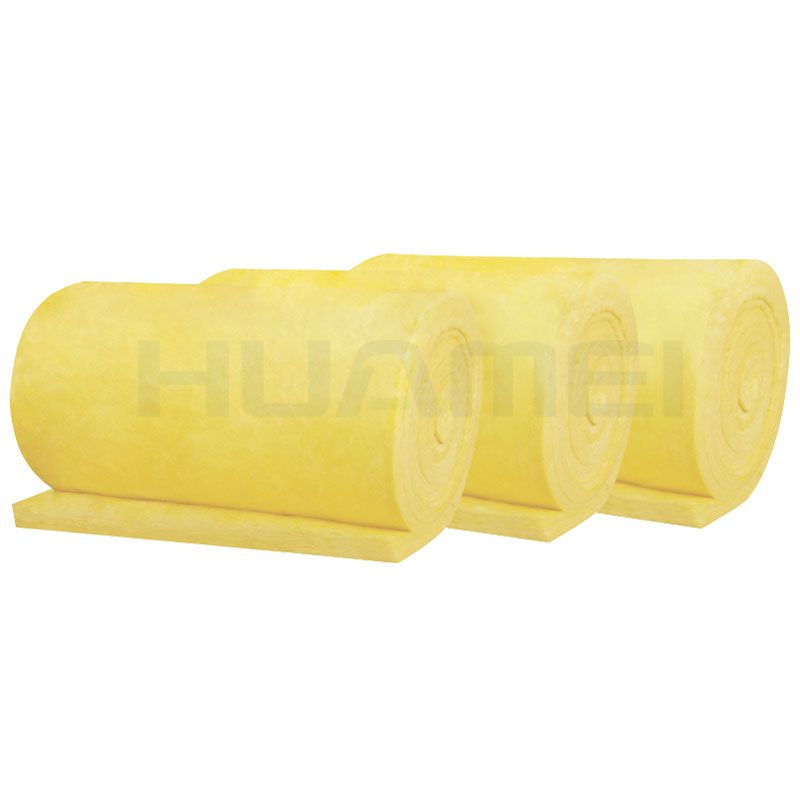
Rock wool insulation boards are inorganic fibrous materials commonly manufactured from basalt and other mineral raw materials. The raw materials are melted at high temperatures, spun into fine fibers, combined with binders and other additives, and then formed into boards through pressing and curing.
The fiber structure creates small air spaces that help reduce heat transfer and absorb sound. Depending on the production process and product design, rock wool boards can be manufactured with different densities, thicknesses, strengths, and surface treatments.
These differences allow rock wool boards to be used in exterior wall insulation, roof systems, curtain walls, partitions, and other industrial or building applications.
What Are the Main Types of Rock Wool Insulation Boards?
Rock wool boards are not a single standardized product. Different types are designed to meet the requirements of specific building systems.
1. Exterior Wall Insulation Rock Wool Boards
Exterior wall rock wool boards are designed for building façade insulation systems. They are commonly used in thin plastering systems and certain dry-hanging curtain wall applications.
Important product properties include:
Thermal conductivity suitable for the project requirements.
Tensile strength and compressive strength appropriate for the wall system.
Dimensional stability to help maintain the integrity of the insulation layer.
Hydrophobic treatment to limit water absorption.
Fire performance that meets the applicable project requirements.
For example, exterior wall insulation rock wool boards are designed for exterior wall insulation and fire protection applications. Their technical specifications should be checked against the requirements of the selected façade system.
2. High-Strength Roof Insulation Rock Wool Boards
Roof insulation boards need to withstand loads from the roof assembly, maintenance activities, and other installed components. Therefore, compressive strength and point-load resistance are important selection factors.
High-strength rock wool boards are used in industrial and commercial roof systems, including certain steel and concrete roof structures.
Typical selection considerations include:
Compressive strength and point-load resistance.
Thermal conductivity at the specified thickness.
Dimensional stability under long-term loading.
Water resistance and compatibility with the roof waterproofing system.
Fire performance required by the building design.
High-strength roof insulation rock wool boards are designed for roof systems that require higher compressive strength. The appropriate grade should be selected according to the expected roof loads and system design.
3. Curtain Wall Fireproof Rock Wool Panels
Curtain wall systems require insulation materials that fit the façade structure while meeting thermal and fire protection requirements.
Curtain wall fireproof rock wool panels are used behind or within curtain wall assemblies, depending on the system design. Their selection should consider fire performance, dimensional stability, moisture behavior, and compatibility with the surrounding components.
Fireproof rock wool panels for curtain walls are developed for curtain wall applications. Buyers should confirm the required panel dimensions, thickness, fire classification, and installation details for the specific façade system.
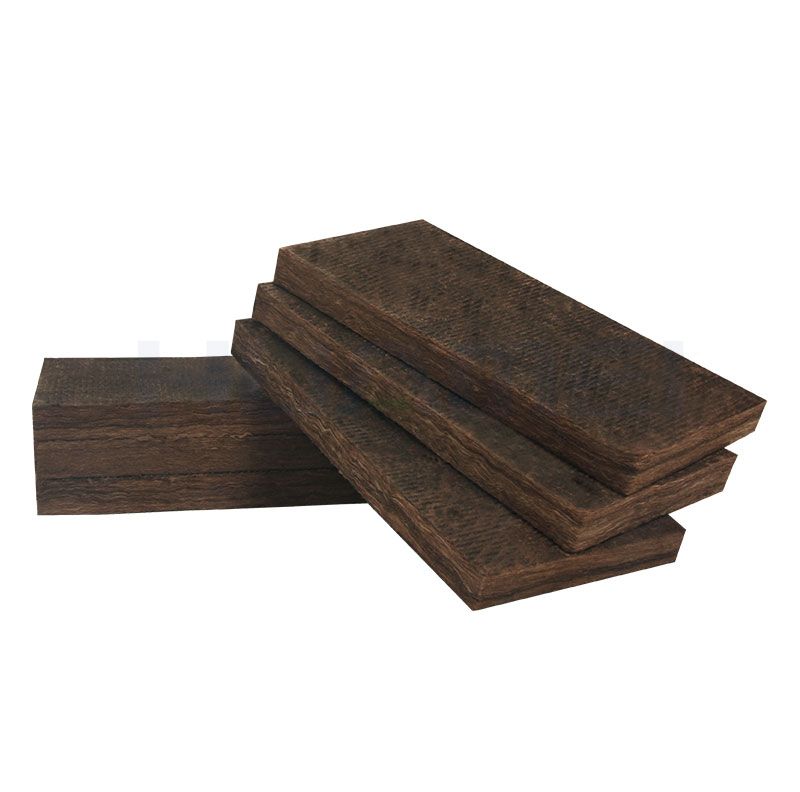
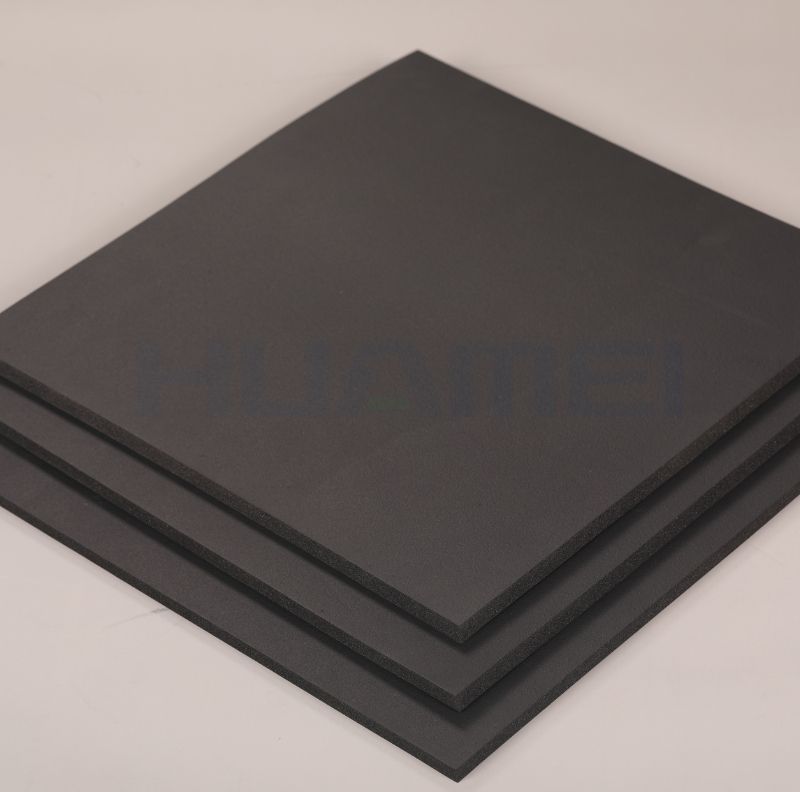
4. Black Rock Wool Boards for Fire-Resistant Curtain Wall Applications
Some curtain wall projects require a specific board configuration or surface treatment. Black rock wool boards are one option used in curtain wall applications with particular fire-resistance requirements.
Depending on the product design, the surface may be supplied with additional facing materials such as aluminum foil or glass fiber cloth.
Fireproof black rock wool boards are designed for curtain wall buildings with specific fire-resistance requirements. Buyers should confirm the product's fire performance, facing options, and compatibility with the curtain wall assembly.
Where Are Rock Wool Insulation Boards Used?
The application of a rock wool board depends on its mechanical properties, fire performance, moisture characteristics, and compatibility with the building system.
Exterior Wall Insulation Systems
Exterior wall rock wool boards can be installed as part of external thermal insulation composite systems or suitable façade assemblies.
They help reduce heat transfer through exterior walls while contributing to the fire performance of the building envelope. The installation system should include compatible adhesives or mechanical fixings, reinforcement layers, and protective finishes where required.
Industrial and Commercial Roof Systems
High-strength rock wool boards are used in roof assemblies where insulation must work together with structural decks, vapor control layers, waterproof membranes, and protective finishes.
The board's compressive strength and point-load resistance should match the expected loads from the roof system and maintenance activities.
Curtain Wall Systems
Rock wool panels can be installed behind curtain wall components to provide thermal insulation and contribute to fire protection.
The selected board must fit the available cavity and meet the system's requirements for fire performance, fixing, moisture control, and dimensional stability.
Partition Walls and Acoustic Applications
Rock wool boards are also used in selected partition and wall assemblies where thermal insulation, fire performance, or sound absorption is required.
Acoustic performance depends on the complete wall construction, including the board, framing, cavity, and facing materials. Buyers should evaluate test data for the proposed assembly rather than relying only on the insulation material's density.
Industrial Equipment and Other Applications
Depending on the product grade and system design, rock wool products can also be used in certain industrial, pipeline, storage tank, and equipment insulation applications.
However, not every building insulation board is suitable for industrial equipment. Buyers should confirm the operating temperature, mechanical requirements, moisture exposure, and installation method before using a board outside its intended application.
How to Choose the Right Rock Wool Insulation Board?
Choosing a suitable rock wool board requires more than comparing density or price. Buyers should consider the full application and the technical requirements of the insulation system.
| Selection Factor | What Buyers Should Consider |
|---|---|
| Application | Identify whether the board is for an exterior wall, roof, curtain wall, partition, or industrial application. |
| Thermal conductivity | Compare the declared thermal conductivity at the required thickness. |
| Compressive strength | Check the load-bearing requirements, especially for roof systems. |
| Tensile strength | Confirm the requirements of the selected exterior wall or façade system. |
| Fire performance | Review the fire classification of the specific product and complete assembly. |
| Water resistance | Consider moisture exposure and the need for hydrophobic treatment or protective layers. |
| Dimensional stability | Check whether the board can maintain its shape under the expected service conditions. |
| Facing and installation | Confirm whether the project requires foil, glass fiber cloth, mechanical fixing, or other system components. |
Buyers should request the product's technical data sheet and verify that the tested performance matches the project specification. Density alone should not be used to determine whether a rock wool board is suitable.
What Information Should Buyers Provide When Ordering Rock Wool Boards?
Providing clear project information helps suppliers recommend products that match the intended application.
Before requesting a quotation, buyers should prepare:
Application area, such as exterior walls, roofs, or curtain walls.
Required board thickness and dimensions.
Target density or mechanical performance requirements.
Required thermal conductivity and fire classification.
Installation method and details of the surrounding building system.
Expected moisture exposure and external protection requirements.
Estimated order quantity and delivery requirements.
For customized projects, drawings and technical specifications can help suppliers confirm product suitability and manufacturing details.
Conclusion
Rock wool insulation boards are available in different types for exterior walls, roofs, curtain walls, and other building or industrial applications. Each type has its own requirements for strength, thermal performance, fire resistance, and moisture protection.
The right choice depends on the intended application and the complete insulation system. Buyers should compare technical data, confirm installation requirements, and select a product designed for the specific project rather than choosing by density or price alone.