Glass wool is widely used for HVAC duct insulation because its fibrous structure traps air and helps reduce heat transfer and noise. However, compression can change the thickness and structure of the material, which may affect its insulation performance.
For duct systems, the key is to distinguish between temporary compression during packaging and excessive compression after installation. Buyers and contractors should consider the installed thickness, product density, thermal conductivity, and installation method rather than judging performance by appearance alone.
How Does Glass Wool Provide Thermal Insulation in Duct Systems?
Glass wool is made from fine glass fibers arranged in a porous structure. The spaces between the fibers trap small amounts of air, limiting heat transfer through the insulation layer.
When installed around HVAC ducts, glass wool helps:
Reduce heat gain or heat loss from the air inside the duct.
Maintain a more stable air supply temperature.
Limit condensation risks on cold duct surfaces when the insulation system is correctly designed and sealed.
Absorb some airborne noise and reduce sound transmission from ductwork.
The thermal performance of a duct insulation system depends on the product's thermal conductivity and the thickness installed. The facing, joints, supports, and installation quality also affect the performance of the complete system.
What Happens When Glass Wool Is Compressed?
Compression reduces the thickness of glass wool. Since insulation thickness is an important factor in thermal resistance, excessive compression can reduce the insulation value of the installed layer.
However, the effect depends on the degree of compression and the product's characteristics. Compression may also change fiber spacing, bulk density, and thermal conductivity. Therefore, it is not accurate to assume that every compressed glass wool product experiences the same performance reduction.
1. Reduced Installed Thickness
When glass wool is compressed, its installed thickness becomes smaller than its original specified thickness.
For example, if a blanket designed for a certain thickness is squeezed into a narrower space, the actual insulation layer may no longer provide the thermal resistance expected from its original specification.
Buyers should check the final installed thickness rather than relying only on the nominal thickness shown on the product label.
2. Changes in Fiber Structure and Air Spaces
Glass wool relies on its fibrous structure to trap air. Compression changes the spacing between fibers and reduces the volume of the insulation layer.
This can affect how heat moves through the material. The actual impact depends on the product's fiber structure, density, binder system, and compression level.
3. Changes in Thermal Resistance
Thermal resistance is influenced by both thermal conductivity and material thickness. A thinner insulation layer generally provides less resistance to heat transfer when other conditions remain comparable.
For this reason, permanently compressing glass wool below its designed installation thickness may reduce the thermal performance of an HVAC duct system.
The correct approach is to use the product's declared thermal conductivity and the actual installed thickness to evaluate performance.
Does Glass Wool Compression Affect Different Duct Insulation Products?
Different glass wool forms are designed for different installation conditions. Their response to compression should be evaluated according to their product structure and intended use.
Glass Wool Blankets
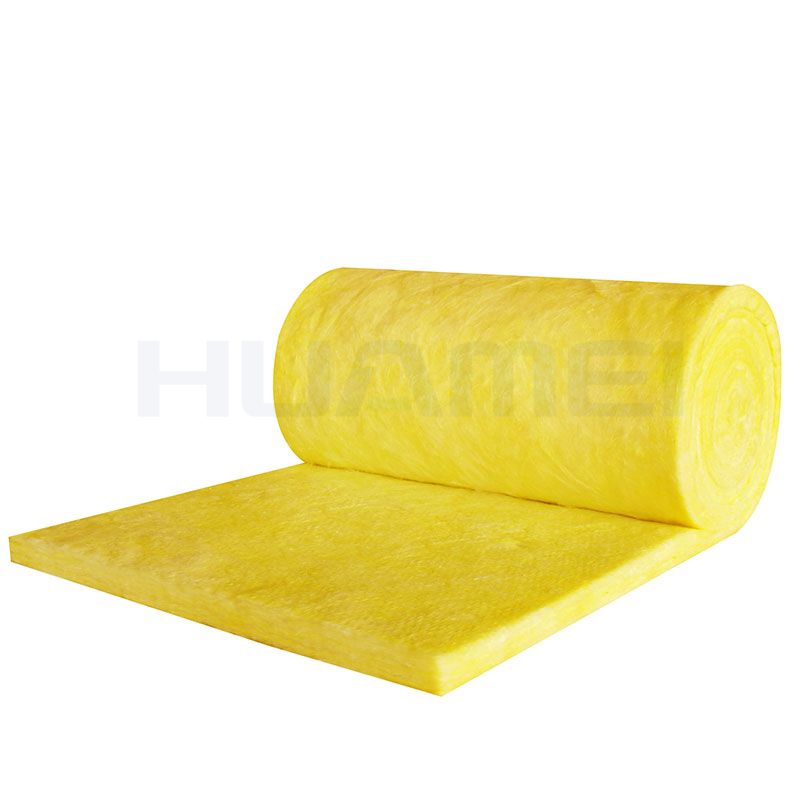
Flexible glass wool blankets are commonly used to wrap ductwork and other surfaces. Their flexibility makes them suitable for covering different shapes, but they should not be pulled or tightly squeezed during installation.
If a blanket is compressed excessively around a duct, its installed thickness may become uneven, especially at corners, joints, and fixing points.
For suitable duct applications, glass wool blankets can provide a flexible insulation layer. The required thickness and density should be confirmed against the project specifications.
Glass Wool Air-Conditioning Boards
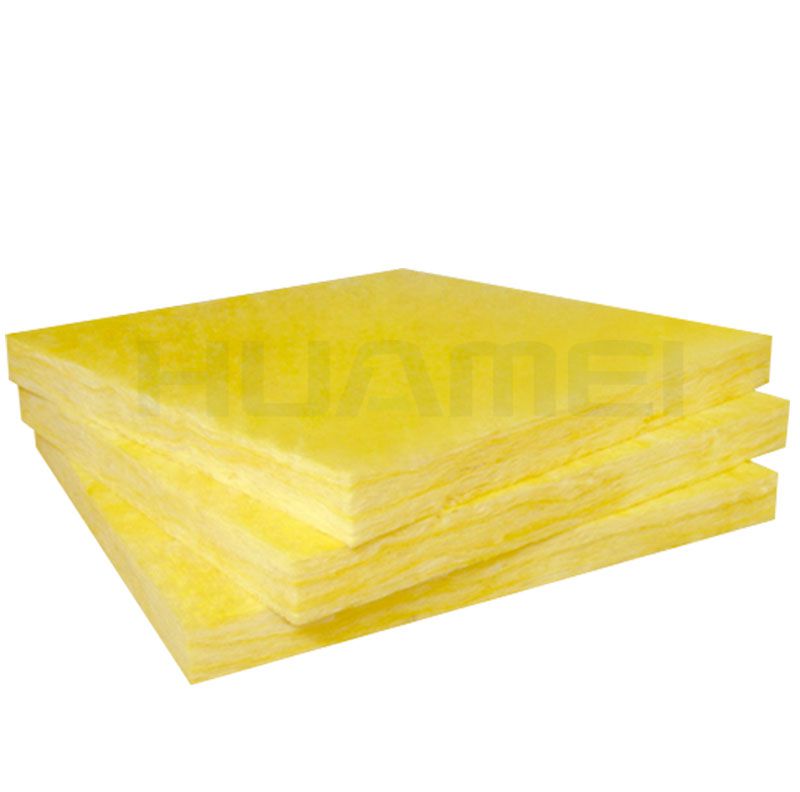
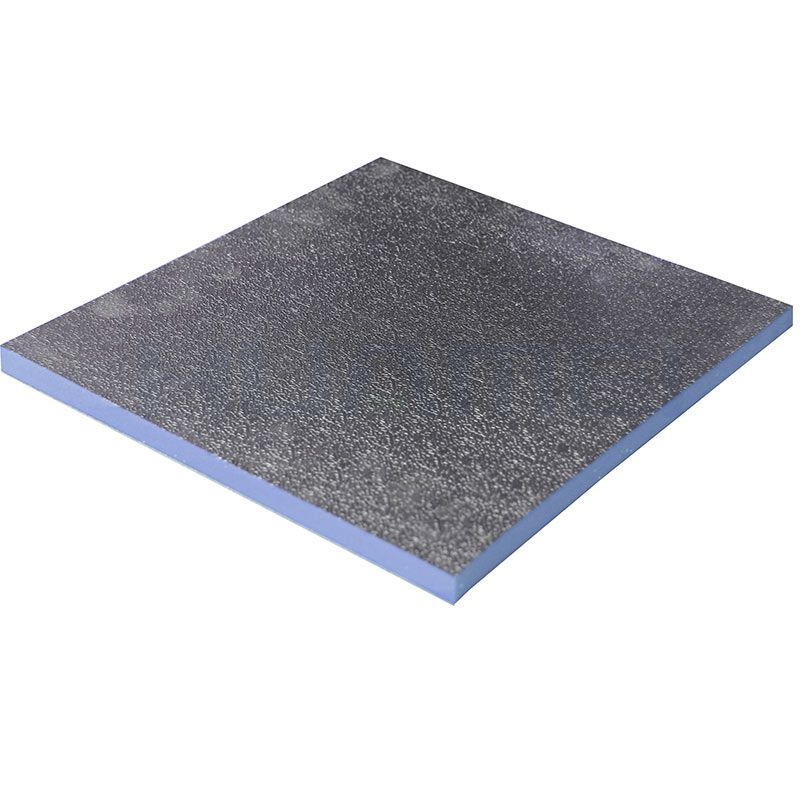
Rigid or semi-rigid glass wool boards are designed for HVAC duct applications where a more stable board form is required.
Their installation differs from flexible blankets. Boards should be cut and fitted to the duct dimensions rather than forced into a smaller space through excessive compression.
For HVAC projects, glass wool air-conditioning insulation boards are one product form to consider. Buyers should confirm the board's thickness, density, thermal conductivity, and service temperature before selection.
How Can Excessive Compression Affect HVAC Duct Performance?
Excessive compression can affect more than the insulation material itself. It may also create installation problems that reduce the overall performance of the duct system.
Uneven Insulation Thickness
Compression around corners, bends, and duct supports may create areas with less insulation thickness. These areas can become weak points in the insulation layer.
Greater Risk of Condensation
For cold-air ducts, insulation must be designed to control heat gain and surface condensation. If compression reduces the effective insulation thickness, the outer surface temperature may be affected.
The risk of condensation also depends on the duct temperature, ambient temperature, relative humidity, vapor control layer, and joint sealing. Compression is only one factor.
Gaps and Poor Joint Sealing
Forcing insulation into a tight space may cause gaps, displaced sections, or damaged facings. Poorly sealed joints can allow moisture-laden air to reach cold surfaces, increasing condensation risk.
A continuous insulation layer and properly sealed joints are important for both thermal performance and moisture control.
How to Prevent Excessive Compression During Duct Insulation Installation?
Correct installation helps maintain the designed thickness and reduces weak points in the insulation system.
Buyers, contractors, and installers should pay attention to the following:
Select the correct thickness: Choose the insulation thickness according to duct temperature, ambient conditions, and project requirements.
Avoid over-tight fixing: Straps, wires, and fasteners should secure the insulation without squeezing it excessively.
Fit insulation around corners carefully: Cut and shape the material to follow duct geometry instead of forcing it into place.
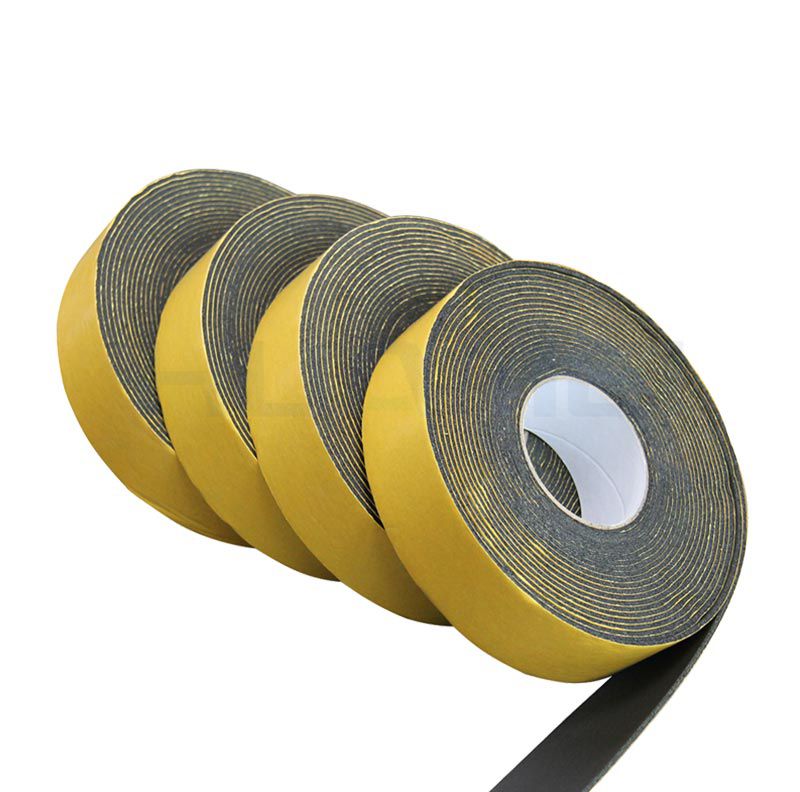
Seal joints properly: Use compatible tapes and facing systems to maintain continuity and control moisture.
Protect the facing: Avoid tearing or puncturing foil facings and other vapor-control layers during installation.
Check the installed thickness: Inspect corners, joints, supports, and other areas where compression is more likely to occur.
For projects with specific thermal or condensation-control requirements, installers should follow the manufacturer's installation instructions and project specifications
The glass wool product range includes different forms for insulation applications. Buyers should match the product to the duct design and request technical data before ordering.
Conclusion
Glass wool compression can affect duct insulation performance by reducing the installed thickness and changing the structure of the insulation layer. The actual impact depends on the product and the degree of compression.
For reliable HVAC duct insulation, choose the correct product form and thickness, avoid excessive compression during installation, and maintain continuous insulation and properly sealed joints.