E-mail: marketing@hbhuamei.com
Industrial tank insulation should be selected according to the tank's operating temperature, stored medium, structural design, and installation environment. The right material helps reduce heat transfer, maintain stable storage temperatures, and improve operating efficiency.
Glass wool and rock wool are commonly considered for industrial insulation applications. However, buyers should evaluate the technical specifications of each product to ensure it meets the requirements of the tank and its operating conditions.
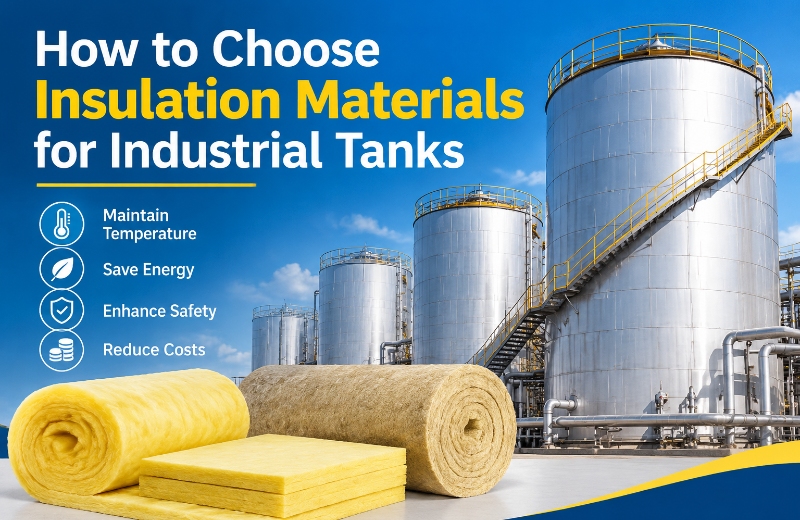
Industrial tanks often need to maintain specific temperatures during storage or production. Without suitable insulation, heat can transfer between the tank and its surrounding environment, making temperature control more difficult.
Installing an appropriate insulation system offers several benefits:
Reduce heat loss: Helps maintain the temperature of hot liquids and reduces unnecessary heat transfer.
Improve temperature stability: Limits the impact of external temperature changes on stored materials.
Support energy efficiency: Reduces the energy required to maintain the desired temperature.
Improve workplace safety: Helps lower the external surface temperature of hot tanks.
Protect industrial equipment: With suitable external protection, insulation can help reduce the impact of moisture and environmental exposure.
The insulation material and installation method should be selected according to the tank's actual operating conditions.
Different industrial tanks operate under different temperature and environmental conditions. Buyers should evaluate the material's temperature resistance, thermal conductivity, thickness, and installation requirements before making a selection.
When selecting insulation for hot industrial tanks, the first consideration should be the actual operating temperature. The material must withstand continuous exposure to heat while maintaining stable insulation performance.
High-temperature glass wool and rock wool can be considered for suitable applications. However, buyers should check the maximum service temperature, thermal conductivity, density, and required insulation thickness of the specific product before making a decision.
The operating temperature range of the insulation material should always match the tank's working conditions.
For tanks that need to maintain a relatively stable temperature, thermal conductivity and insulation thickness are important factors.
Materials with suitable thermal performance can help reduce heat transfer and limit temperature fluctuations. Glass wool and rock wool may be suitable options depending on the required temperature range and installation conditions.
Buyers should also consider the tank's dimensions, insulation structure, and whether additional protective layers are needed.
Outdoor tanks are exposed to rain, humidity, sunlight, and changing weather conditions. Therefore, selecting insulation materials requires more than evaluating thermal performance.
The insulation system should include suitable moisture protection and external cladding to reduce the risk of water penetration and physical damage.
Buyers should pay particular attention to:
Moisture resistance and protection against water penetration.
Suitable external cladding for outdoor exposure.
Secure fixing methods to prevent insulation from shifting.
Proper sealing around joints, connections, and openings.
The insulation material and protective system should be considered together to ensure reliable performance in outdoor environments.
The shape and surface structure of an industrial tank affect how insulation materials are installed. Choosing the right product form can improve surface coverage and make installation easier.
For flat tank surfaces, insulation boards are commonly considered. Glass wool boards and rock wool boards can be selected according to the required thermal performance, temperature range, and installation conditions.
The board thickness and fixing method should be determined based on the tank structure and insulation requirements.
Cylindrical tanks have curved surfaces, so the insulation material needs to fit the tank's shape.
Flexible glass wool blankets can be easier to adapt to curved surfaces. Depending on the tank diameter and installation design, other suitable insulation forms may also be considered.
During installation, attention should be given to joints and gaps between insulation sections to reduce unwanted heat transfer.
Some industrial tanks and equipment have irregular surfaces, pipes, valves, or other structural components that make insulation installation more complicated.
Flexible insulation materials can be cut and adjusted to fit different shapes. However, the installation design should also allow sufficient space for inspection, maintenance, and equipment access.
For customized applications, buyers should provide tank drawings, dimensions, operating temperatures, and other relevant technical information to help determine the appropriate insulation solution.
Before purchasing insulation materials, buyers should evaluate several technical and installation factors to ensure the selected products meet the project's requirements.
| Selection Factor | What to Consider |
|---|---|
| Operating temperature | Confirm the normal working temperature and maximum temperature the material must withstand. |
| Stored medium | Consider the characteristics of the stored liquid or material and any relevant safety requirements. |
| Tank shape and dimensions | Determine whether the tank has flat, curved, or irregular surfaces. |
| Thermal conductivity | Compare the thermal performance of different insulation products. |
| Insulation thickness | Select a suitable thickness based on the required temperature control and project specifications. |
| Material density | Check whether the product's density meets the mechanical and installation requirements. |
| Installation environment | Consider whether the tank is installed indoors or outdoors and whether it is exposed to moisture or weather. |
| External protection | Determine whether protective cladding, moisture barriers, or additional fixing systems are required. |
| Maintenance access | Ensure the insulation design does not prevent necessary inspection or equipment maintenance. |
Buyers should request technical data sheets and confirm the product specifications before placing an order. For customized projects, providing drawings, tank dimensions, and operating conditions can help suppliers recommend more suitable materials.
Using suitable insulation materials for industrial tanks helps maintain stable storage temperatures, improve operating conditions, and reduce energy-related expenses.
Insulation materials reduce heat transfer between the tank and its surrounding environment. This helps minimize heat loss from hot liquids and reduces the energy required to maintain the desired storage temperature.
Proper insulation can reduce energy expenses associated with heating or maintaining the required temperature. More stable storage conditions can also help minimize additional costs caused by temperature fluctuations.
An insulation layer slows the impact of external temperature changes on the contents of the tank. This helps reduce temperature fluctuations and maintain more consistent storage conditions.
For hot industrial tanks, insulation can lower the external surface temperature, reducing the risk of burns caused by accidental contact with hot surfaces.
In industrial operations where temperature control is important, insulation helps maintain more consistent liquid temperatures during storage. This supports more stable conditions for subsequent processing and production stages.
When combined with suitable protective cladding, moisture barriers, and secure installation, insulation systems are better protected against rain, moisture, and physical damage. This helps maintain their thermal performance over time.
The right insulation material depends on the tank's operating conditions, structure, and installation environment. Glass wool and rock wool are both worth considering for suitable applications. Before making a selection, buyers should confirm the operating temperature, required insulation thickness, material specifications, and external protection requirements.
Copyright © Huamei Energy-saving Technology Group Co., Ltd. All Rights Reserved | Sitemap | Privacy Policy
Insulation solutions LIST: Insulation solutions LIST
