E-mail: marketing@hbhuamei.com
In today’s construction and renovation market, moisture control is a core consideration in building envelope design. One of the most frequently asked questions from architects, contractors, and homeowners is: Do I need a vapor barrier when using rockwool insulation? This article provides a clear, practical explanation centered on the concept of the rockwool vapor barrier, helping decision-makers apply the right strategy in different climates and applications.
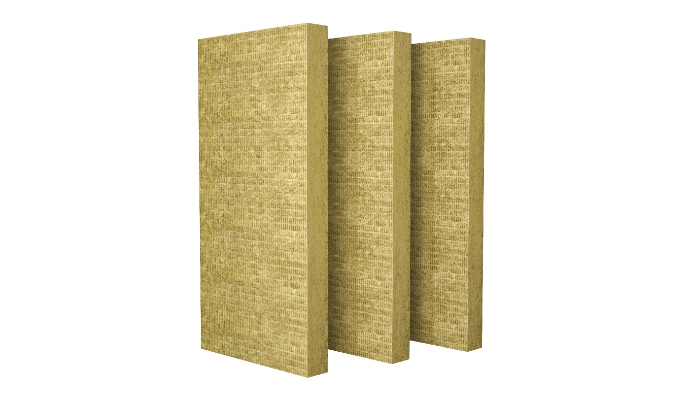
A rockwool Vapor Barrier is not a product built into the insulation itself, but a system-level decision related to how moisture vapor is managed within walls, roofs, and floors. ROCKWOOL insulation is made from stone wool, a material known for being vapor permeable while remaining water repellent. This unique combination directly influences whether a rockwool Vapor Barrier is required.
Unlike closed-cell foam, rockwool allows water vapor to pass through while resisting liquid water. This means assemblies using rockwool can dry out naturally, reducing the risk of trapped moisture when the rockwool Vapor Barrier strategy is correctly designed.
The short answer is: sometimes. Whether a rockwool vapor barrier is necessary depends on several technical factors, including climate zone, building use, and wall assembly design.
In cold climates, interior moisture tends to move outward during winter. In this case, a rock wool Vapor Barrier on the warm side of the insulation is often recommended to prevent condensation within the wall cavity. In mixed or warm climates, however, installing a rockwool vapor barrier incorrectly may actually increase moisture risk.
Because ROCK WOOL insulation itself is vapor permeable, it does not act as a rockwool vapor barrier, but it works effectively with or without one when properly specified.
Climate is the primary driver behind rockwool vapor barrier decisions:
Cold and very cold climates: A ROCK WOOL Vapor Barrier is typically required on the interior side to control vapor diffusion.
Mixed climates: Vapor retarder selection should be carefully evaluated; a smart or variable-permeance rock wool vapor barrier is often preferred.
Hot and humid climates: In many cases, a traditional interior rockwool vapor barrier is not recommended, as it can trap inward-driven moisture.
Understanding vapor drive direction is essential before specifying a rockwool vapor barrier.
One of the major advantages of rock wool insulation is its compatibility with different wall systems. When combined with an appropriate rockwool vapor barrier, the assembly can achieve both thermal efficiency and long-term durability.
In wood-frame construction, a rockwool vapor barrier is often installed as a polyethylene sheet or vapor-retarding membrane. In commercial or steel-frame buildings, vapor control may be achieved through coated gypsum boards or smart membranes acting as the rockwool vapor barrier.
The key principle is balance: air control, thermal control, and the rockwool vapor barrier must work together as a complete system.How are rock wool roof insulation panels and moisture barriers integrated into buildings? You can learn more about our rock wool roof insulation system solutions→
A common mistake in construction projects is confusing air barriers with a rock wool vapor barrier. While both are critical, they serve different purposes.
An air barrier controls air leakage.
A rockwool vapor barrier controls vapor diffusion.
ROCK WOOL Insulation enhances airtightness when combined with proper detailing, but it does not replace the need for a dedicated ROCK WOOL Vapor Barrier where code or climate requires one.
Most building codes do not mandate a vapor barrier solely because rockwool insulation is used. Instead, codes evaluate the necessity of a ROCK WOOL Vapor Barrier based on climate zone and occupancy type.
Because rockwool insulation is non-combustible and moisture resistant, it often provides more flexibility in ROCK WOOL Vapor Barrier design compared to organic insulation materials. However, compliance with local regulations is essential when specifying any rockwool vapor barrier solution.
In residential walls, a rock wool vapor barrier is commonly used in cold regions to protect against interstitial condensation. In roofs and attic assemblies, the rockwool vapor barrier strategy must also consider ventilation.
For interior partitions, a rockwool vapor barrier is usually unnecessary, as moisture differentials are minimal. In industrial or high-humidity buildings, the rockwool vapor barrier becomes a critical design element.
Rock wool insulation offers excellent thermal performance, fire resistance, and moisture resilience. Whether you need a rockwool vapor barrier depends on how and where the insulation is used—not on the insulation alone.
When properly designed, a rockwool vapor barrier enhances building durability, energy efficiency, and indoor comfort. When misapplied, it can create moisture risks. For this reason, every project should evaluate climate, assembly design, and code requirements before finalizing a rockwool vapor barrier strategy.
By understanding the relationship between ROCK WOOL insulation and the rockwool vapor barrier, professionals can make informed decisions that support long-term building performance and sustainability.
A vapor barrier helps control moisture movement and reduces the risk of condensation inside walls, ceilings, or roofs.
Rockwool itself is moisture-resistant and vapor-permeable, but it does not replace the function of a vapor barrier in moisture-sensitive applications.
The need for a vapor barrier depends mainly on climate conditions, indoor humidity levels, and wall assembly design.
In cold climates, vapor barriers are often installed on the warm side of insulation to prevent indoor moisture from entering the wall cavity.
In hot and humid climates, building design should focus on proper moisture management and allowing assemblies to dry effectively.
Choosing the right combination of rockwool insulation and moisture control solutions helps improve energy efficiency, durability, and indoor comfort.
Copyright © Huamei Energy-saving Technology Group Co., Ltd. All Rights Reserved | Sitemap | Privacy Policy
Insulation solutions LIST: Insulation solutions LIST
